If you live on Chicago’s North Shore, you already know how unpredictable the weather can be. One week it’s sunshine and lake breezes, the next it’s days of steady rain or a quick snowmelt that soaks the soil around your foundation. In communities like Wilmette, Winnetka, Glenview, and Evanston, older homes and high groundwater levels make basement flooding a real concern.
Without a proper drainage system and functioning sump pump, water can seep through foundation cracks, ruin floors, damage belongings, and even weaken your home’s structure. Over time, that water exposure can lead to mold growth, musty odors, and expensive repairs—issues no homeowner or buyer wants to deal with.
For local homeowners, maintaining a reliable sump pump isn’t just about convenience—it’s about protecting your investment and your home’s value.
What Is a Sump Pump and How Does It Work?
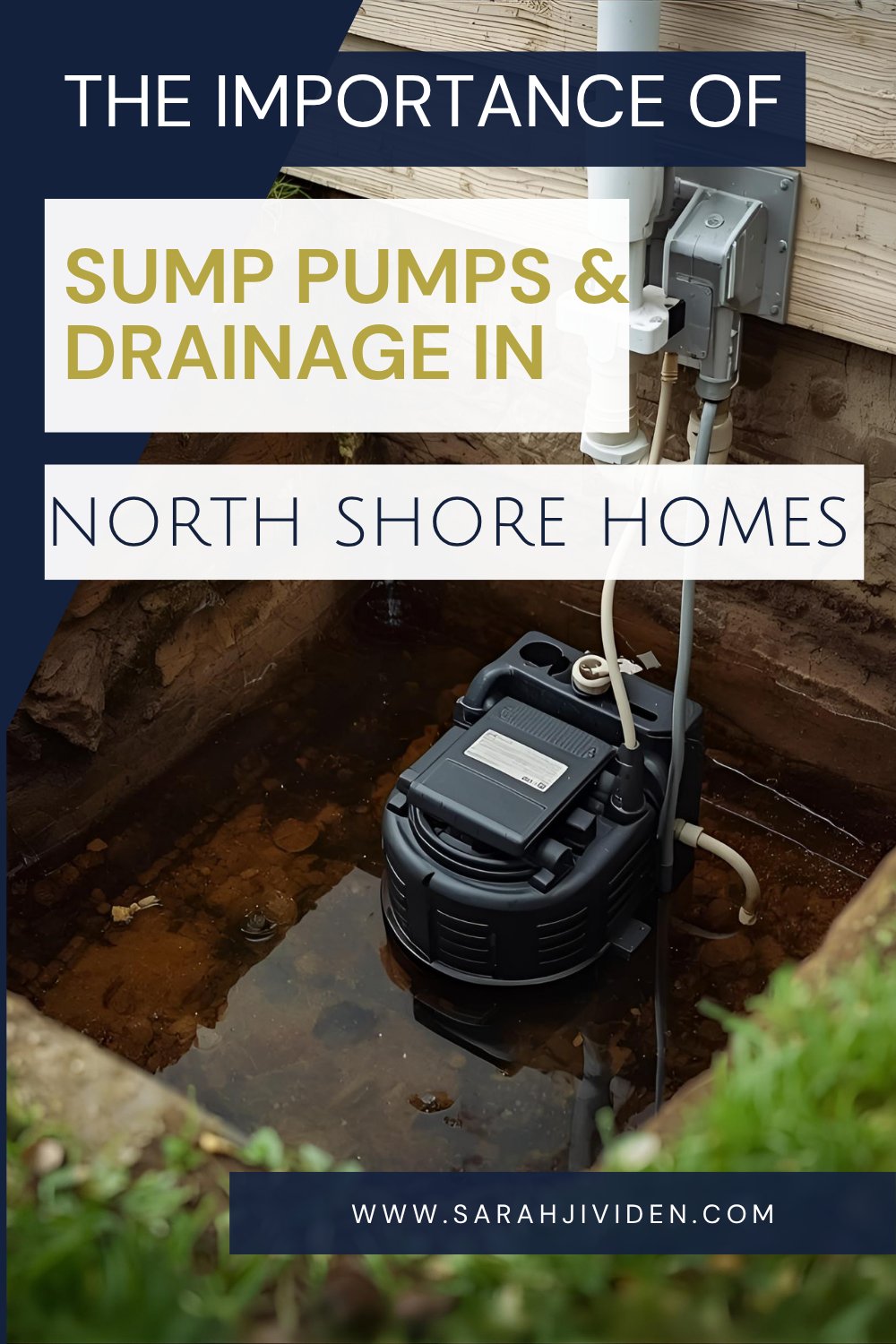
A sump pump is a small but powerful system designed to remove excess water that collects in your home’s basement or crawl space. It sits inside a sump pit, a small basin located at the lowest point of your home. When the pit fills with water—usually from rain, melting snow, or groundwater seepage—the pump automatically turns on and pushes that water through a discharge pipe that directs it safely away from your foundation.
There are two main types of sump pumps:
-
Submersible sump pumps: Installed directly in the pit, these are quieter and handle higher water volumes—perfect for larger Wilmette homes or heavy rains.
-
Pedestal sump pumps: These sit above the pit, making them easier to service but slightly louder.
A good system includes a check valve (to prevent backflow) and ideally a battery backup that keeps the pump running during power outages—something that’s crucial during North Shore storms.
How Drainage Systems Work Together
Your sump pump doesn’t work alone—it’s part of a larger drainage ecosystem that keeps your home dry. That system may include:
-
Gutters and downspouts that direct roof water at least 10 feet away from your foundation.
-
French drains or perimeter drains that collect groundwater and channel it toward the sump pit.
-
Grading and landscaping that slope away from your home to prevent pooling water.
When one part of this system fails—say, clogged gutters or a blocked discharge line—it can cause pressure around your foundation and eventually lead to water intrusion.
Regular maintenance helps ensure these systems continue to work together seamlessly.
Signs Your Sump Pump or Drainage Needs Attention
If your sump pump isn’t functioning properly, your home will give you clues. Watch for:
-
A musty smell or dampness in the basement
-
Water stains or peeling paint along foundation walls
-
The sump pump running constantly or not turning on at all
-
Loud noises, clanging, or vibration when the pump operates
-
Standing water near your home after a rainstorm
If you notice any of these signs, call a licensed plumber or waterproofing specialist to inspect your system. Many North Shore homeowners schedule annual sump pump maintenance each spring, before the heavy rain season begins.
How to Maintain Your Sump Pump Like a Pro
Keeping your system in good shape doesn’t take much time, but it can save thousands in flood repairs. Here’s a quick maintenance checklist:
-
Test your sump pump every few months. Pour a bucket of water into the pit—it should start automatically and empty within seconds.
-
Clean the pit. Remove dirt, debris, or gravel that might block the float switch.
-
Inspect the discharge line. Make sure it isn’t frozen, crushed, or disconnected.
-
Check the power source. The pump should always be plugged into a grounded outlet with surge protection.
-
Add a battery backup. During major storms, power outages are common. A backup ensures your pump keeps running when you need it most.
For added peace of mind, consider replacing your sump pump every 7–10 years—even if it still seems to be working. Mechanical parts wear down over time, and replacing early helps you avoid failures during heavy rain.
Protecting Your Home Value Through Proper Drainage
As a Realtor®, I can tell you that a dry basement is a big selling point. Buyers immediately notice signs of past water damage, and a functioning sump pump can make the difference between a confident offer and a hesitant one.
Homes with documented drainage improvements—like a new sump system, foundation waterproofing, or regraded landscaping—often appraise higher and sell faster, especially in Wilmette where vintage homes meet unpredictable weather.
Proactive homeowners don’t just protect their comfort—they protect their equity.
Final Thoughts
A little maintenance now can save you major headaches later. Your sump pump and drainage system are your first line of defense against flooding, mold, and foundation issues. Keeping them in good working order means your home stays healthy, safe, and valuable for years to come.
If you’re buying or selling a home on Chicago’s North Shore, understanding how these systems work—and showing they’ve been maintained—can give you a real advantage in today’s market.
📞 Contact Sarah Jividen, Realtor® with @properties Christie’s International Real Estate, for local referrals to trusted sump pump professionals, waterproofing experts, and contractors who know how to keep Wilmette basements dry.