If you’re dreaming about buying your first home in Wilmette, it helps to know this upfront: this is not a market where you can casually browse for months and expect the perfect home to wait. Wilmette is a high-demand North Shore suburb with older housing stock, limited starter inventory, and strong competition. The good news is that when you understand what to expect, you can make smart decisions with more confidence and less stress. Let’s dive in.
Wilmette Market Basics
For a first-time buyer, Wilmette can feel expensive at first glance, and that impression is supported by the data. According to U.S. Census QuickFacts for Wilmette, the owner-occupied housing rate is 87.9% and the median owner-occupied home value is $810,600. Recent market snapshots also place values in a broad higher-end range, with Redfin reporting a median sale price of $1,125,000 and condo listings showing a median listing price around $508K.
Those numbers measure different things, so it is best to treat them as a range rather than one exact price point. For you, the key takeaway is simple: buying in Wilmette often means adjusting expectations on budget, property type, or both. If you are coming from a city rental or a lower-priced suburb, the jump can feel significant.
Why competition matters
Price is only one part of the story. Wilmette is also a very competitive market, with Redfin reporting that homes receive about five offers on average and sell in around 54 days. Hot homes can go pending much faster, sometimes in about 17 days.
That matters because your first offer may need to be strong, well-prepared, and realistic from the start. In a market like this, hesitation can cost you a home, but rushing without a plan can create avoidable risk. A calm, organized strategy is what helps first-time buyers compete without feeling overwhelmed.
What Counts as a Starter Home
If you picture a large supply of lower-priced entry-level homes, Wilmette may surprise you. According to CMAP community data, 77.1% of housing units are single-family detached homes, while only 12.9% are in buildings with 20 or more units. Land use also leans heavily single-family, which helps explain why starter inventory is limited.
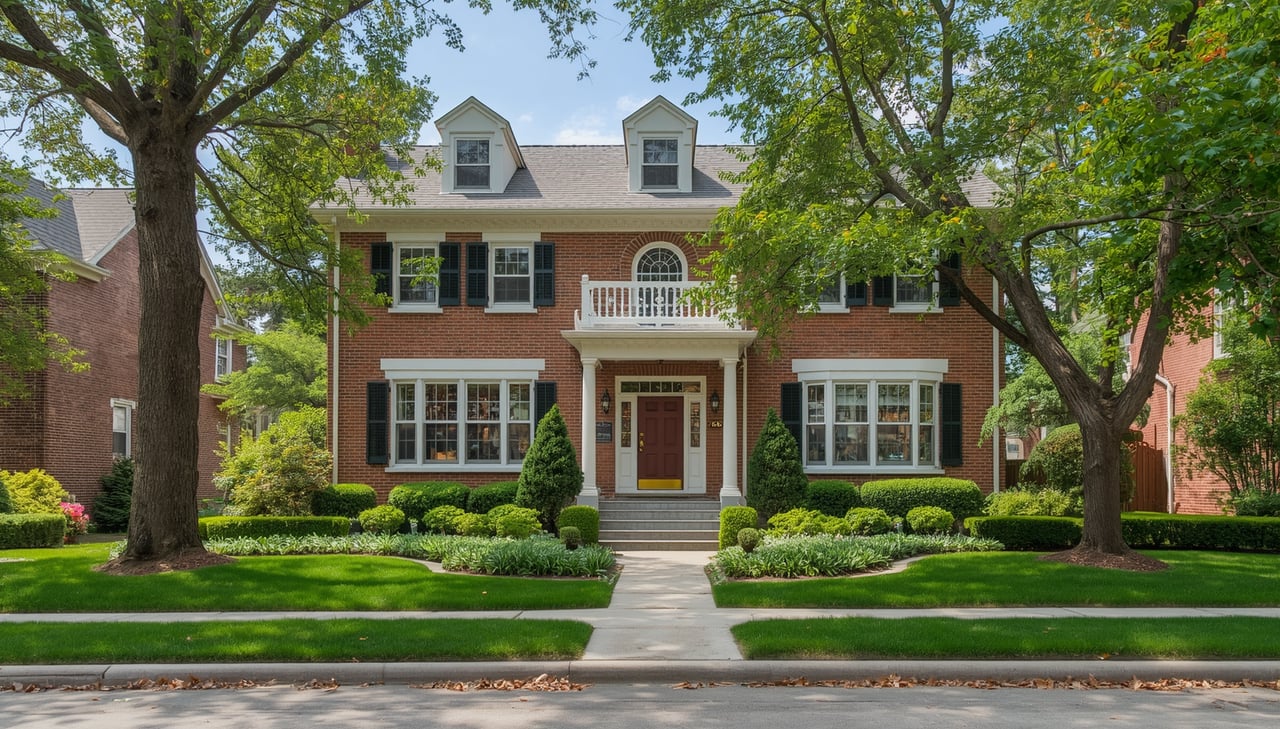
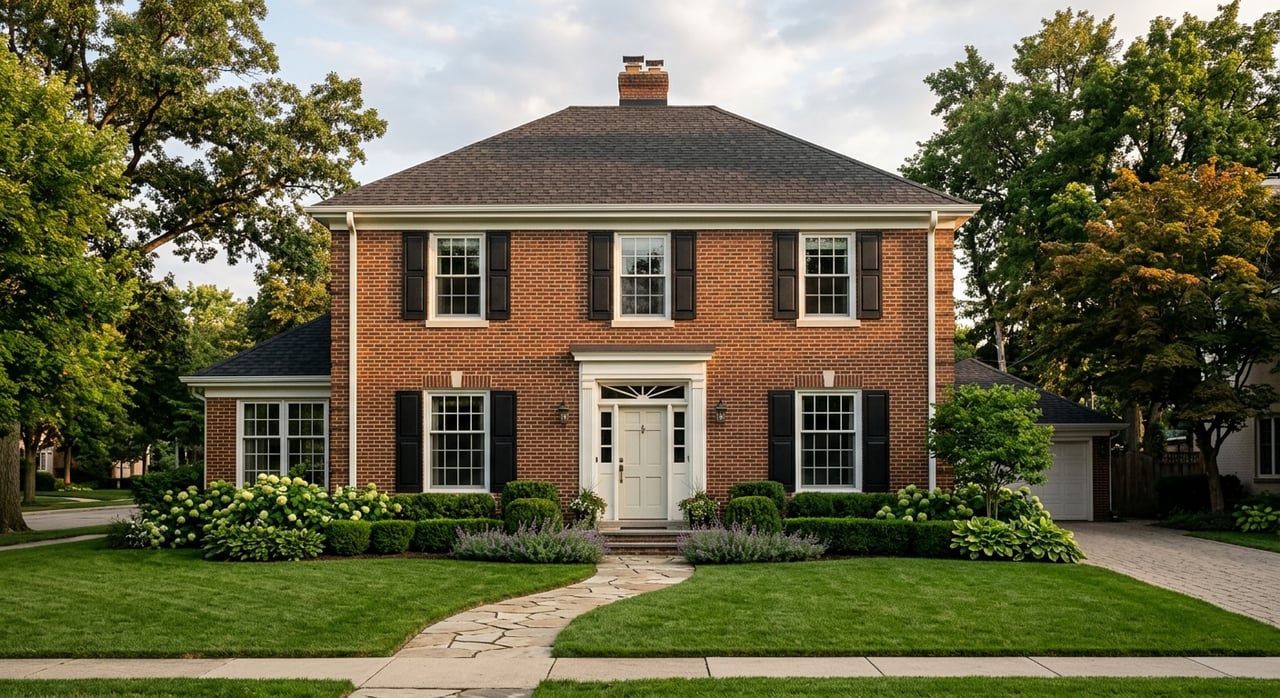
In practical terms, your first home in Wilmette may look different than a classic starter home in other markets. Instead of new construction at the lower end, you are more likely to see condos, townhomes, or smaller and older detached homes. That can still be a great long-term move, but it helps to start your search with flexibility.
Expect more space than a city condo
Another local detail worth knowing is that Wilmette housing tends to be relatively spacious. CMAP reports a median of 7.5 rooms per housing unit, with a large share of three-bedroom and four-bedroom homes. Even homes at the lower end of the market may feel larger than what you are used to if you are moving from an apartment in Chicago.
That can be a real benefit, especially if you want room to work from home, host family, or stay in the property for several years. The tradeoff is that more space often comes with a higher purchase price and more maintenance responsibility.
Older Homes Shape the Process
One of the biggest things first-time buyers should understand about Wilmette is that older homes are the norm, not the exception. CMAP reports that 29.2% of homes were built before 1940, 45.1% were built between 1940 and 1969, and the median year built is 1956. That means your home search and inspection process should reflect an older-house baseline.
Older homes often have character, established lots, and solid locations, but they also deserve extra care during due diligence. Systems, materials, and prior renovations may vary widely from one home to another. A polished kitchen or updated bath does not automatically tell you how the rest of the house has been maintained.
Why permits matter
When you are considering an older home with updates or additions, permit history matters. The Village of Wilmette requires permits for many types of work, including additions, structural changes, electrical work, HVAC, windows, garages, and decks, as shown in its Permits Required List. The village also notes that unpermitted work can lead to stop-work orders, surcharges, or even removal.
This does not mean every updated home has a problem. It simply means you should ask smart questions and verify what work was done. Wilmette also offers a helpful Village Map and Data Portal that can support property research as you narrow your options.
A village inspection is not your inspection
This is an important distinction for first-time buyers. As HUD explains, a compliance inspection is not the same as a buyer’s independent home inspection. You still need your own qualified inspector to evaluate the overall condition of the property.
That is especially important in Wilmette, where renovations and additions are common. If a home has been updated over time, your inspector can help you understand what appears newer, what may be aging, and what deserves further review.
Lead and Radon Should Be On Your Radar
Because many Wilmette homes were built before 1978, lead-based paint disclosure is a practical part of the buying process. The EPA’s Lead-Based Paint Disclosure Rule says buyers have the right to know about known lead hazards before signing, and sellers must allow a 10-day period for a lead inspection or risk assessment.
Radon is another issue worth taking seriously. Illinois advises residents to test their homes, and the state’s radon guidance notes that elevated radon has been found throughout Illinois. For first-time buyers, the takeaway is simple: if you are buying an older home, ask questions early and use your inspection period wisely.
Commute and Daily Life
If you are moving from the city, commute logistics may be one of your biggest questions. Wilmette offers real rail access, but most households still rely on driving. According to Census QuickFacts, the mean travel time to work is 34.6 minutes, while CMAP reports that 42.8% drive alone, 16.4% use transit, and 32.0% work from home.
For many buyers, that mix is appealing because it gives you options. You may be able to use rail for some trips while still planning to drive often for errands, activities, or commuting flexibility. It helps to think about your real weekly routine, not just your ideal one.
Rail options to know
Wilmette has two official rail anchors that are easy to factor into your search. The Metra Wilmette station is on the Union Pacific North line in fare zone 2 and includes 387 parking spaces plus Pace connections. The CTA Linden station is the northern end of the Purple Line and offers weekday rush-period express service toward downtown.
If transit matters to you, map out how close you want to be to one of these stations before you start touring homes. That can help you focus your search and avoid falling in love with a home that does not fit your day-to-day life.
Writing a Smart Offer in Wilmette
In a competitive market, first-time buyers often worry they need to do something extreme to win. The truth is usually more practical than that. You want an offer that is clean, well-documented, and appealing to the seller while still protecting your core interests.
Redfin’s market data shows why strategy matters here: many homes get multiple offers, some buyers waive contingencies, and hot homes can sell above list price. That does not mean you should copy what another buyer does. It means you should understand the local pace and be ready to move decisively when the right property appears.
Keep contingencies thoughtful
According to Freddie Mac’s homebuying guidance, common contingencies include inspection, appraisal, mortgage, and home sale. Contingencies are normal, but too many can make an offer less attractive.
For a first-time buyer, the goal is not to strip away every protection. The goal is to keep your offer organized and focused, with protections that fit your actual needs. In a market like Wilmette, clarity and preparation can go a long way.
How to Prepare Before You Start Touring
The buyers who feel most grounded in Wilmette are usually the ones who prepare early. Before you tour homes, it helps to define your budget range, your preferred property type, your true commute needs, and your comfort level with older-home maintenance.
You should also know where you have flexibility. For example, would you consider a condo if it gets you into Wilmette sooner? Would you choose an older home that needs updates if the location and layout are strong? The more honest you are about your priorities, the easier it becomes to make confident decisions.
A practical first-time buyer checklist
- Set a realistic budget based on Wilmette pricing, not assumptions from nearby markets
- Decide whether condos, townhomes, or smaller detached homes are in play
- Plan for an older-home inspection process
- Review commute options using official Metra and CTA resources
- Ask questions about permits, updates, and repair history early
- Be ready for a fast-moving offer timeline on well-priced homes
Why local guidance helps
Buying your first home in Wilmette is not just about finding a listing online. It is about understanding the local housing stock, reading the pace of the market, and knowing how to balance speed with good judgment. That is where steady guidance can make a real difference.
If you want a calm, informed approach to buying in Wilmette, Sarah Jividen can help you make sense of the process, prepare thoughtfully, and move forward with confidence.
FAQs
What should first-time homebuyers expect to pay in Wilmette?
- Wilmette is a higher-priced market, with sources showing a broad range from about $508K for current condo listings to over $1 million for median sale price measures, depending on the property type and data source.
What types of starter homes are most common in Wilmette?
- Because Wilmette housing is dominated by single-family homes and limited multifamily stock, first-time buyers are more likely to find condos, townhomes, or smaller older detached homes than abundant lower-cost new construction.
What should first-time buyers know about older homes in Wilmette?
- Many Wilmette homes were built before 1970, so you should expect an older-home inspection process, ask about permit history, and look closely at systems, repairs, and renovations.
What commute options do Wilmette homebuyers have?
- Wilmette offers access to the Metra Union Pacific North line and the CTA Purple Line at Linden, but commute data also shows that many households still rely on driving.
What contingencies matter when buying a first home in Wilmette?
- Inspection, appraisal, and mortgage contingencies are common, and in a competitive market like Wilmette, the goal is to keep your offer clean and thoughtful while preserving the protections you truly need.