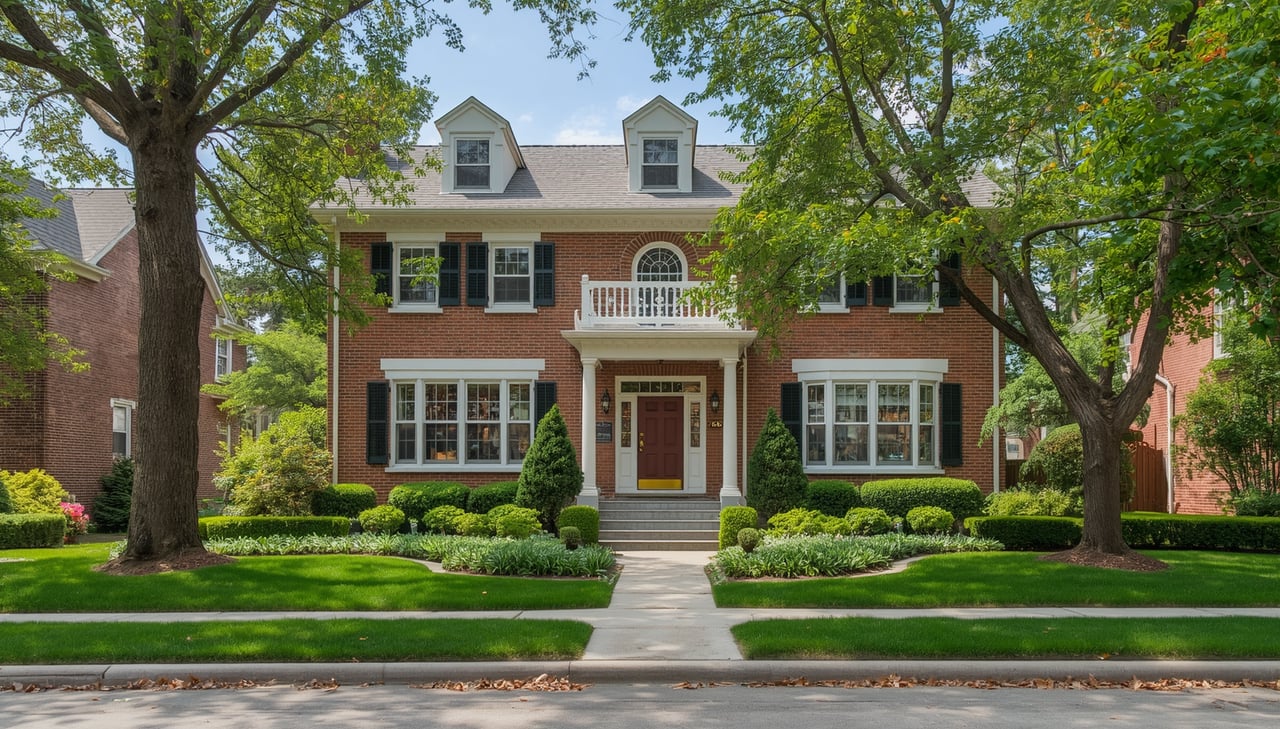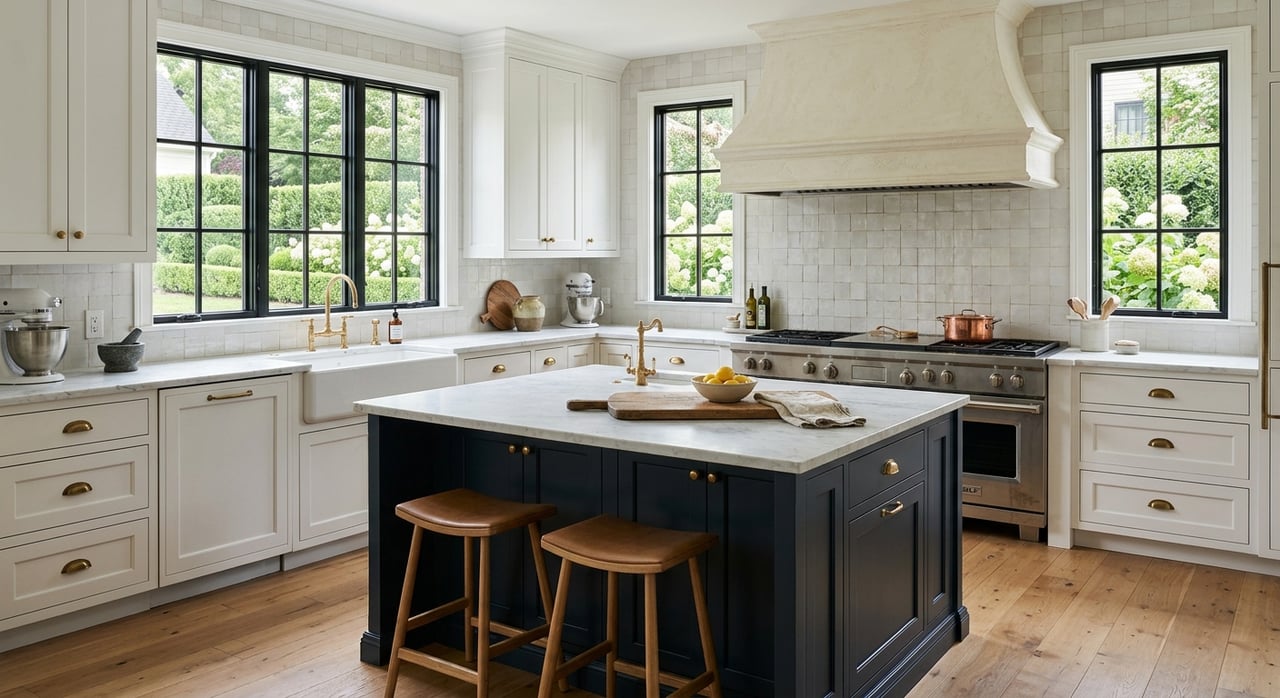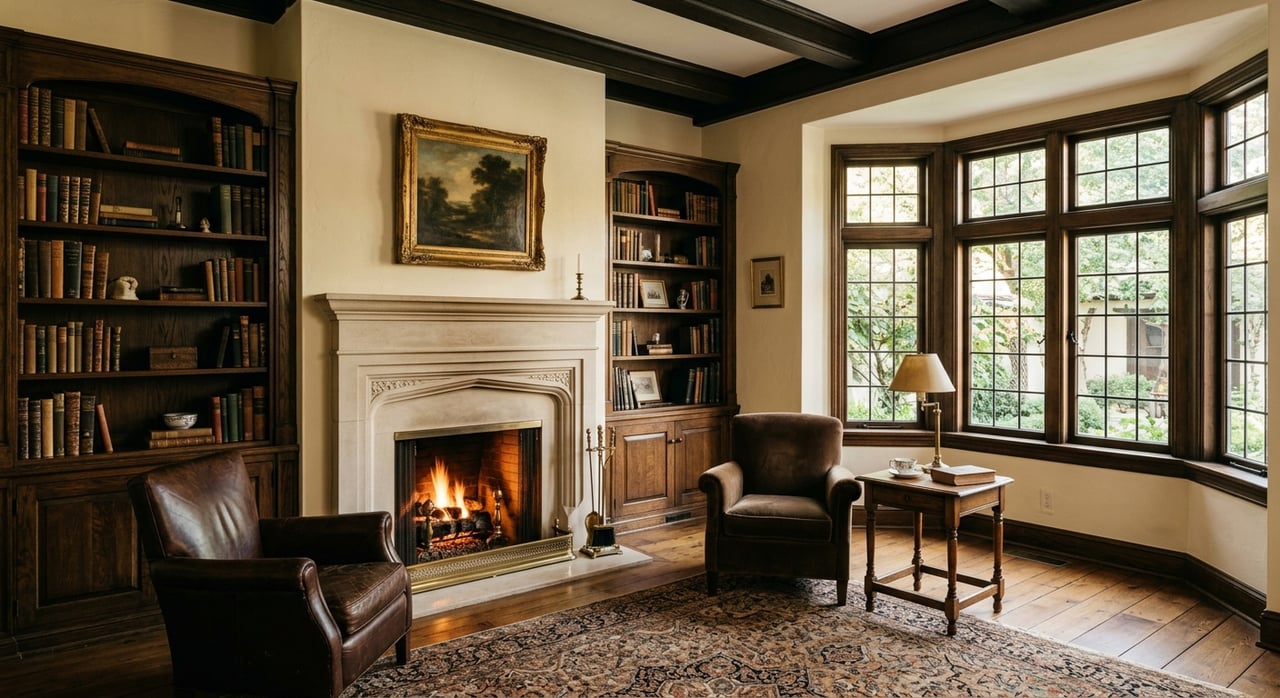
If you are drawn to historic homes, Kenilworth offers something rare on the North Shore: a village where architecture is not just part of the background, it is part of the identity. Buying here can feel exciting and a little intimidating, especially if you are trying to balance charm, condition, and long-term upkeep. This overview will help you understand what makes Kenilworth’s historic homes distinctive, what architectural styles you may see, and what to ask before you buy. Let’s dive in.
Why Kenilworth Feels Different
Kenilworth sits about 17 miles north of downtown Chicago and stands out as the only North Shore Lake Michigan community developed as a planned community, according to the Village of Kenilworth’s history overview. That origin still shapes how the village looks and feels today.
When Joseph Sears purchased 223.6 acres in 1889, the village was laid out with large lots, streets positioned to maximize sunlight, underground utilities, and no alleys or fences. The village also set high construction standards early on, which helped create a more consistent and intentional built environment.
That planning shows up in details buyers notice right away. The village describes an English-inspired, park-like setting shaped by Joseph Sears, Franklin Burnham, George Maher, and Jens Jensen, along with features like the 1890 stone commuter station and Old English-style street lamps in its historic preservation materials.
What Buyers Can Expect
Kenilworth is almost entirely made up of private residences, and its identity is closely tied to its housing stock. The Kenilworth Historical Society notes that the village has hundreds of century-old homes, which means buyers are often considering not just a house, but a piece of the village’s architectural story.
For you as a buyer, that usually means two things. First, the homes often have real design character that can be difficult to replicate in newer construction. Second, older homes need careful evaluation so you understand both their appeal and their ongoing needs.
Key Architectural Styles in Kenilworth
One of the most interesting things about Kenilworth is that it does not revolve around a single look. The Historical Society’s centennial-home research shows a mix of Queen Anne, Prairie, Arts and Crafts, Classical Revival, and Italian Renaissance Revival homes.
That variety matters because it gives buyers options. You may prefer a home with more ornament and asymmetry, or you may be drawn to simpler lines and stronger horizontal forms. In Kenilworth, both can be part of the historic fabric.
Queen Anne Homes
Queen Anne homes typically stand out for their visual complexity and decorative detail. In Kenilworth, the Historical Society points to 220 Melrose Avenue as one example from this architectural tradition.
If you are considering a Queen Anne home, pay attention to exterior materials, rooflines, trim details, and windows. These homes often offer strong curb appeal, but their more intricate features can also mean more maintenance over time.
Prairie Homes
Prairie architecture is one of the most recognizable early 20th-century styles in the Chicago area, and Kenilworth includes a notable example. The Historical Society identifies 205 Essex Road as Kenilworth’s only Frank Lloyd Wright residence and a pure Prairie example.
For buyers, Prairie homes often appeal because of their clean geometry, strong relationship to the site, and emphasis on proportion. If you are touring one, look closely at original windows, masonry, built-ins, and how later updates may or may not align with the home’s architectural language.
Arts and Crafts Homes
Arts and Crafts homes are an important part of Kenilworth’s architectural identity, especially because of George Maher’s influence. The Historical Society highlights 424 Warwick Road as Maher’s own home, blending Victorian and Arts and Crafts elements, and 521 and 533 Roslyn Road as examples of his work.
These homes often attract buyers who appreciate craftsmanship, natural materials, and thoughtful design details. Original millwork, fireplaces, art glass, and built-in features can be major value points if they have been well maintained.
Classical Revival Homes
Classical Revival homes bring a more formal and symmetrical appearance. The Historical Society includes 417 Warwick Road as an example.
If you like order, balance, and traditional details, this style may be especially appealing. Buyers should still evaluate how modern living spaces, kitchens, and baths have been integrated into the original layout, since historic elegance and day-to-day function do not always line up automatically.
Italian Renaissance Revival Homes
Kenilworth also includes Italian Renaissance Revival homes, including examples in the Kenilworth and Melrose area noted by the Historical Society in its 1900-1914 home records.
These homes often project a sense of formality and permanence. Materials, proportions, and masonry details are worth close attention during showings and inspections, especially if you want to preserve the home’s original feel while making it work for your lifestyle.
George Maher’s Lasting Influence
If you spend time looking at historic homes in Kenilworth, George Maher is a name you will see often. The Village of Kenilworth says he designed about 37 homes and also contributed civic features such as the entry fountain, benches, urns, bridges, and pylons in the village’s local history resources.
That kind of influence matters because it helps explain why Kenilworth feels so cohesive even with multiple architectural styles. You are not just seeing individual homes. You are seeing a village shaped by a small group of designers with a strong shared vision.
What Historic Status Means for Buyers
One of the biggest misconceptions buyers have is that a historic home is automatically frozen in time. In reality, the rules depend on the type of designation and the local review process.
According to the National Park Service FAQ on National Register listing, listing on the National Register by itself does not impose federal restrictions on a private owner. Illinois also notes that private owners generally do not need prior approval to change a property when only private, city, or county funds are involved, though local ordinances may still apply.
That is why local review matters so much. In Kenilworth, the Building Review Commission reviews demolition applications for possible historical or architectural significance and may delay a demolition permit for up to one year while alternatives are studied.
For buyers, the practical question is not simply whether a home is historic. The better question is which changes may be reviewed locally, which improvements are largely a matter of ownership and maintenance, and whether any preservation-related incentives might apply.
A Helpful Tax Incentive to Know
If you are buying an owner-occupied historic home and planning major work, Illinois offers a program worth understanding. The state’s Historic Residence Assessment Freeze Program provides a property tax assessment freeze for qualifying owner-occupied historic homes after a sensitive, substantial rehabilitation.
The program is free and generally requires work equal to at least 25 percent of the property’s fair cash value. According to Illinois, the assessed value is typically frozen for eight years, followed by a four-year step-up period.
If this may be relevant to your plans, ask early. Illinois also explains in its program FAQ that review under the freeze program is separate from any local commission review, so you do not want to assume one process covers the other.
Maintenance Matters More Than Charm Alone
Historic homes can be incredibly rewarding to own, but they do best with consistent care. The National Park Service’s preservation guidance emphasizes that regular upkeep is the most cost-effective way to slow deterioration, while delayed maintenance can increase the risk of more serious damage.
For buyers, that means looking past beautiful finishes and focusing on the building envelope. Roof condition, masonry, windows, drainage, and exterior attachments all deserve close attention because they directly affect how well the home sheds water and handles weather.
The same guidance emphasizes keeping the roof sound and maintaining exterior elements through repair and ongoing maintenance rather than unnecessary replacement. That mindset is especially useful when you are evaluating a home with original materials or details you want to preserve.
What to Look For Before You Buy
If you are considering a historic home in Kenilworth, a more detailed pre-offer and inspection strategy can make a big difference. I recommend paying extra attention to:
- Roof age and condition
- Masonry and signs of moisture intrusion
- Window condition and any prior replacements
- Drainage patterns around the home
- Original interior finishes worth preserving
- Scope and quality of past renovations
- Whether planned future changes may trigger local review
- Whether a rehabilitation incentive could apply
A calm, step-by-step approach helps here. Historic homes are not necessarily harder to buy, but they do reward thoughtful due diligence.
Kenilworth’s Lakefront Setting Adds Context
Kenilworth’s setting along Lake Michigan is part of its appeal, but it is also part of the ownership picture. The village notes in its beach and shoreline information that it is actively reinforcing the shoreline to help protect historic and natural elements.
For buyers, that is a reminder that stewardship matters in this setting. When you own an older home in a lakefront community, long-term care is not just about preserving beauty. It is also about protecting the structure over time in a climate and location that require attention.
Why the Right Guidance Helps
Buying a historic home often involves more moving parts than buying a newer property. You may need to think through architectural integrity, inspection priorities, future renovation plans, and the right specialists to bring in before and after closing.
That is where calm guidance matters. When you have a clear plan, good local context, and the right vendor support, you can make confident decisions without losing sight of why you loved the home in the first place.
If you are exploring historic homes in Kenilworth or anywhere on the North Shore, Sarah Jividen can help you evaluate the details, understand the process, and move forward with clarity.
FAQs
What makes Kenilworth historic homes different from other North Shore homes?
- Kenilworth was developed as a planned community with large lots, streets oriented for sunlight, underground utilities, and high construction standards, which gives the village a distinct and cohesive architectural character.
What architectural styles can buyers expect in Kenilworth?
- Buyers may see Queen Anne, Prairie, Arts and Crafts, Classical Revival, and Italian Renaissance Revival homes, according to the Kenilworth Historical Society’s centennial-home research.
Does National Register status restrict changes to a Kenilworth historic home?
- Not by itself. The National Park Service says National Register listing alone does not impose federal restrictions on a private owner, though local ordinances and review processes may still apply.
What local review should buyers know about in Kenilworth?
- Kenilworth’s Building Review Commission reviews demolition applications for possible historical or architectural significance and may delay a demolition permit for up to one year while alternatives are studied.
Is there a tax benefit for rehabilitating a historic home in Illinois?
- Yes. Illinois offers a property tax assessment freeze for qualifying owner-occupied historic homes after a substantial, sensitive rehabilitation that meets program requirements.
What should buyers inspect closely in a Kenilworth historic home?
- Pay close attention to the roof, masonry, windows, drainage, original interior finishes, and the quality of prior renovations, since regular upkeep is essential to preserving older homes.