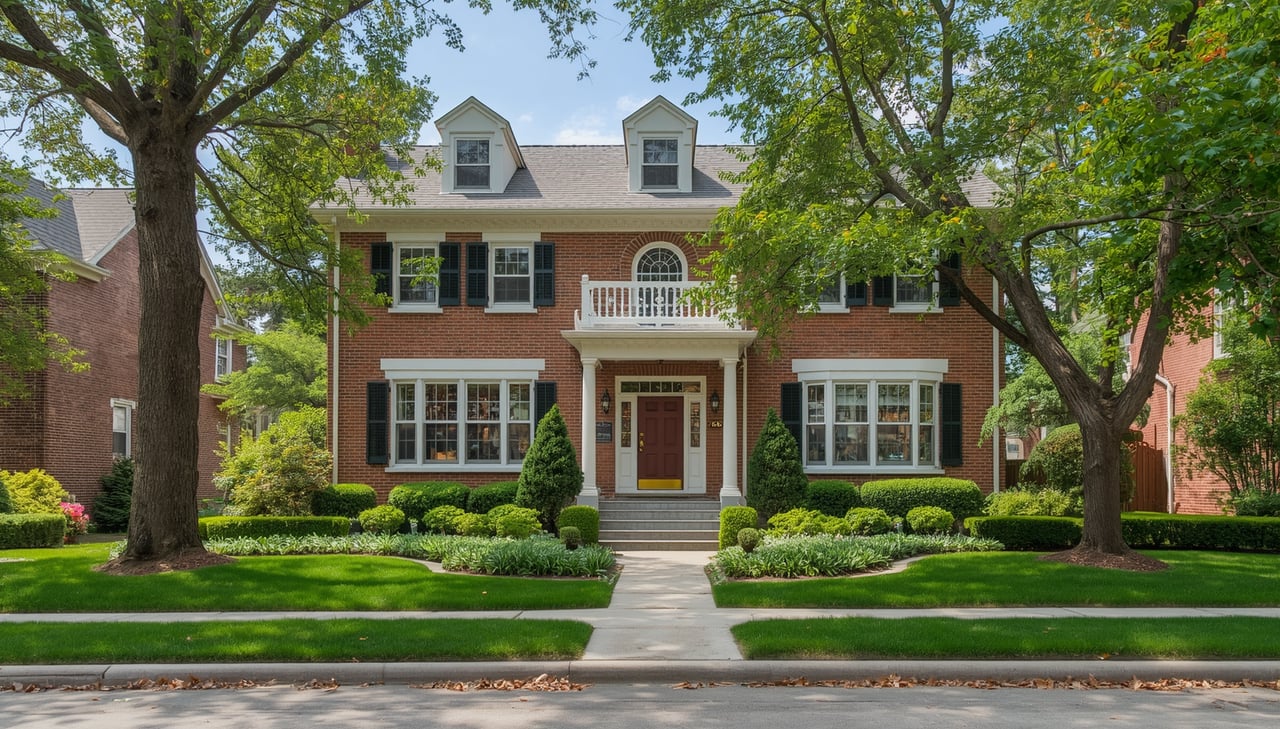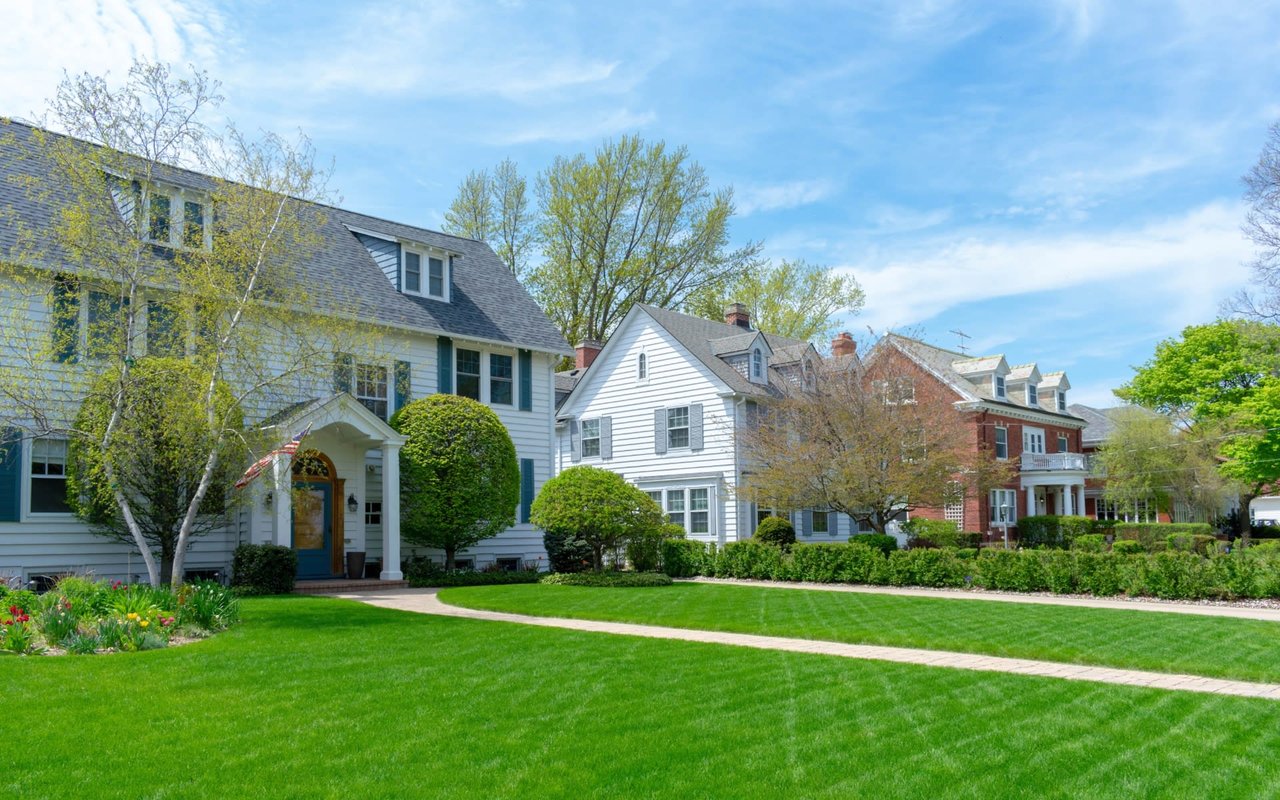
Your furnace is one of the hardest-working systems in your home—especially in Wilmette, where winter can feel endless. It keeps your family warm, protects your pipes from freezing, and maintains a healthy indoor environment.
But just like any appliance, your furnace has a lifespan. It won’t last forever, and the older it gets, the less efficient it becomes. Knowing when to repair or replace can save you from expensive breakdowns and rising energy bills.
How Long Does a Furnace Last?
Most furnaces last about 15 to 20 years, depending on how well they’re maintained. If you’ve lived in your home for more than a decade and haven’t replaced it, your system might be getting close to retirement age.
In Wilmette and other North Shore communities, many homes have older HVAC systems—especially those with vintage charm or mid-century construction. If your system is nearing that 15-year mark, it’s smart to start planning for replacement instead of waiting for an emergency in January.
Common Signs Your Furnace Is Wearing Out
You don’t need to be an HVAC expert to spot early warning signs. Keep an eye out for these simple clues that your furnace may be on its way out:
- Uneven Temperatures – Some rooms feel warm while others stay cold.
- Frequent Repairs – If you’ve called your HVAC technician more than twice this season, it’s time to reevaluate.
- Rising Energy Bills – Older furnaces lose efficiency, forcing them to run longer and use more gas or electricity.
- Strange Noises – Rattling, popping, humming, or squealing usually means parts are wearing out.
- Yellow Burner Flame – A properly working gas furnace should have a blue flame; yellow can indicate incomplete combustion or even carbon monoxide risk.
- Dust or Dry Air – If your home feels dustier or drier than usual, your furnace may not be filtering air properly.
If two or more of these apply, you’re likely due for a replacement soon.
The Benefits of Replacing Your Furnace
While replacing a furnace might sound like a big expense, it’s actually a smart investment in your comfort, safety, and home value. Here’s why:
- Better Energy Efficiency: New furnaces can be up to 30% more efficient, saving hundreds on heating bills each year.
- Improved Comfort: Modern systems distribute heat more evenly throughout your home.
- Cleaner Air: Newer furnaces have better filters and air circulation, improving indoor air quality.
- Increased Resale Value: Buyers love seeing recent HVAC upgrades during inspections—it signals a well-maintained home.
- Peace of Mind: You’ll avoid inconvenient breakdowns on freezing winter nights.
Look for systems with a high AFUE rating (Annual Fuel Utilization Efficiency). The higher the number, the more heat your furnace produces per unit of fuel—meaning less waste and lower costs.
Repair or Replace? Here’s How to Decide
A good rule of thumb is the “$5,000 rule”:
Multiply your repair cost by your furnace’s age.
If that number is over $5,000, replacement is the better option.
For example, a 15-year-old furnace that needs a $500 repair ($500 × 15 = $7,500) isn’t worth fixing.
On the other hand, if your furnace is newer and the repair is minor, maintenance might make sense. An experienced HVAC technician can help assess your system’s overall condition.
When’s the Best Time to Replace a Furnace?
Many homeowners wait until winter, but the best time to replace your furnace is actually in the fall or early spring. HVAC companies are less busy, pricing is often better, and you can install before extreme cold hits.
You can also look into energy rebates or tax credits for installing high-efficiency systems—Illinois and many local utility companies offer incentives for eco-friendly upgrades.
Tips for Maintaining a New Furnace
Once you have a new system installed, a little routine care goes a long way.
- Change your air filters every 1–3 months.
- Schedule annual maintenance checks in the fall.
- Keep vents and ducts clean and unblocked.
- Make sure your thermostat is working properly.
- Don’t forget the carbon monoxide detector—it’s essential for safety.
Regular maintenance keeps your system efficient and ensures your home inspection reports look fantastic when it’s time to sell.
How Furnace Condition Affects Home Value
As a local Realtor®, I can tell you that buyers notice HVAC systems immediately during showings and inspections. A furnace that’s clearly outdated or failing can raise red flags and delay closings.
On the flip side, a new, efficient heating system signals that a home has been cared for—making it more attractive and competitive in the Wilmette market. If you’re thinking of selling in the next few years, upgrading your furnace now can help you recoup that cost through higher offers later.
Final Thoughts
Your furnace may not be something you think about every day, but it quietly affects your comfort, safety, and energy bills year-round. If your system is old, noisy, or inefficient, replacing it before it fails is one of the smartest moves you can make as a homeowner.
If you’re preparing to buy or sell a home in Wilmette or the greater North Shore area, I can connect you with trusted HVAC professionals and guide you on which upgrades offer the best return on investment.
📞 Contact Sarah Jividen, Realtor® with @properties Christie’s International Real Estate, for personalized home advice and local service referrals you can count on.