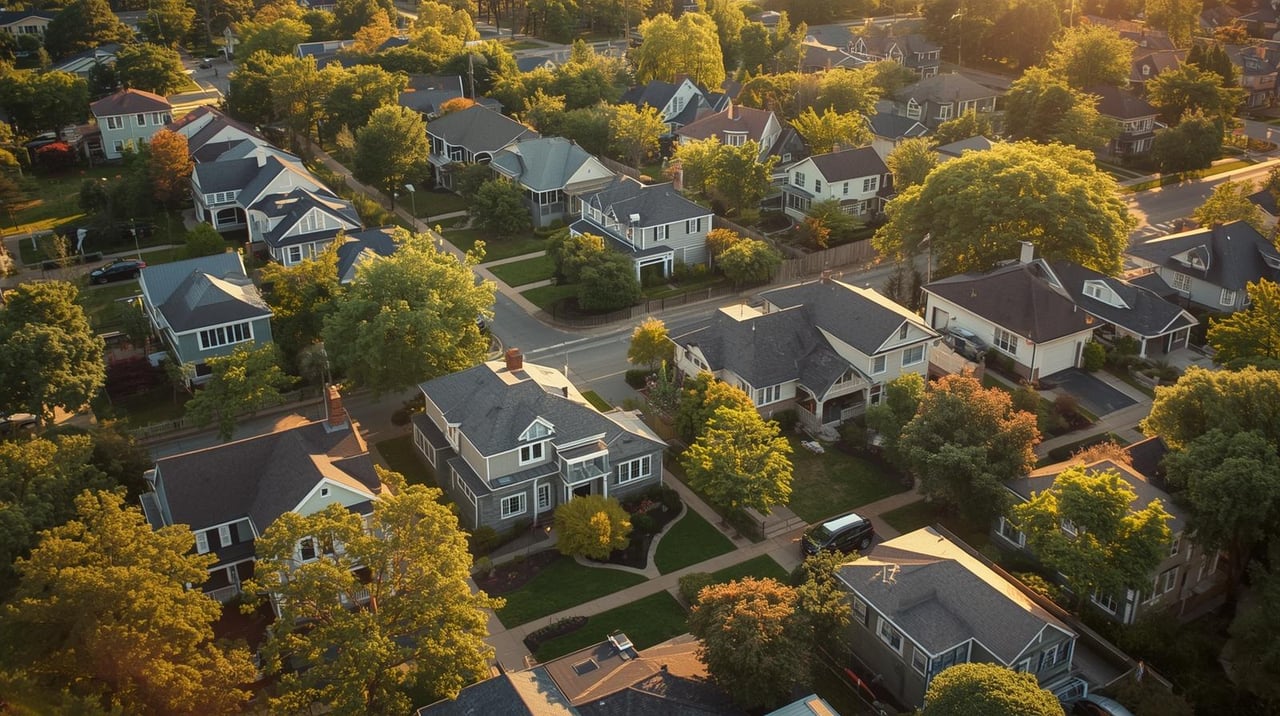
One of the biggest questions homeowners ask is: how long does a roof last? Whether you’re buying a home or maintaining your current one, knowing the lifespan of your roof is key to protecting your investment. In the Midwest—especially here on Chicago’s North Shore—our roofs face heavy snow, strong winds, summer storms, and freeze-thaw cycles that can shorten their durability.
Why Knowing Roof Lifespan Matters in Real Estate
As a North Shore real estate broker, I know that buyers often ask, how long does a house roof last? or how long does a new roof last? The condition and age of the roof directly affect your home’s value, inspection results, and negotiation power during a sale. A newer roof provides peace of mind and can boost curb appeal, while an aging roof may lead to price reductions or delays in closing.
How Long Do Roofs Usually Last?
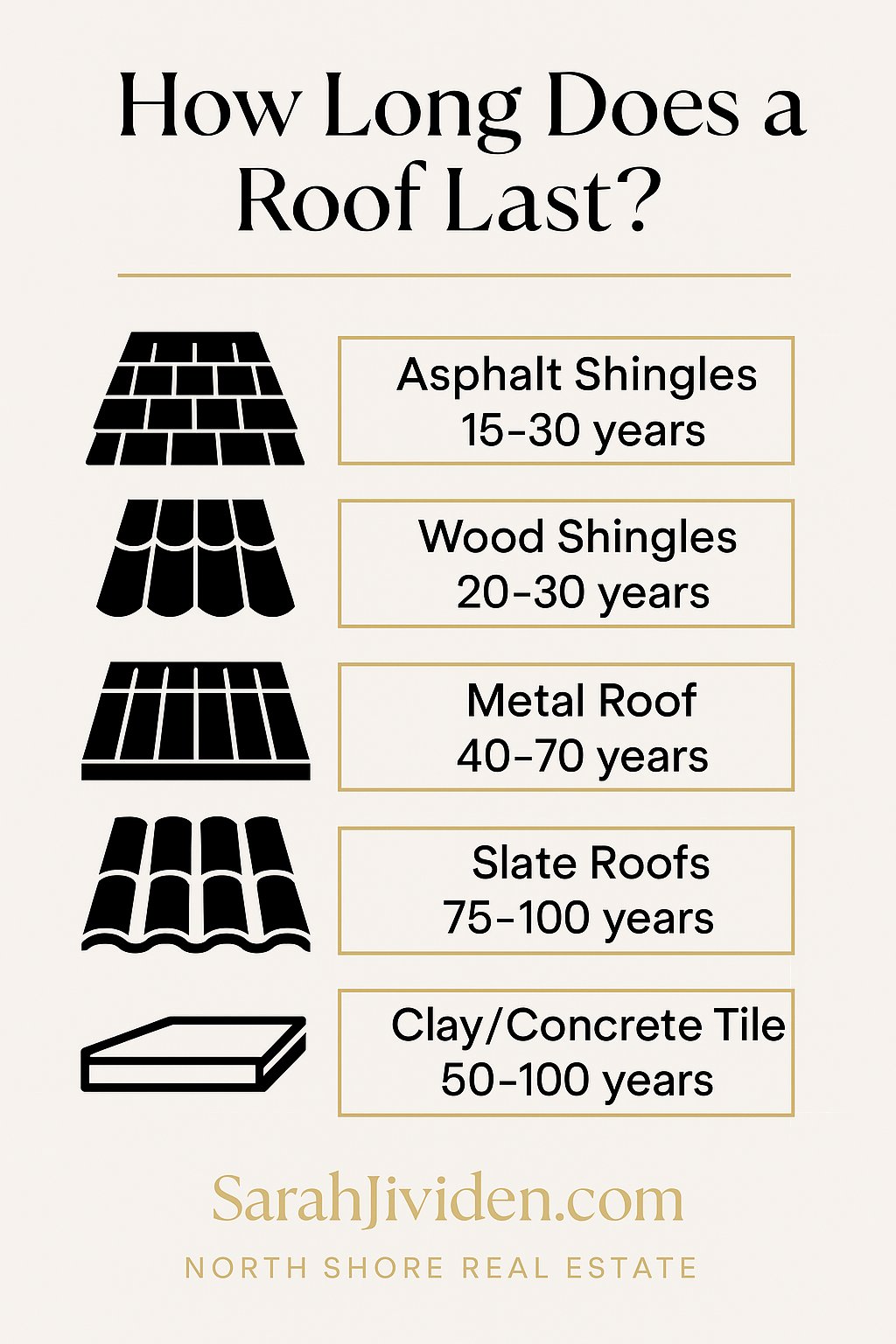
The answer depends on the type of roof, installation quality, and local weather. In the Midwest, these are the most common roofing materials you’ll find and their typical lifespans:
Asphalt Shingles
-
Most common roof in the U.S. and Midwest.
-
3-tab shingles: ~15–20 years.
-
Architectural/dimensional shingles: ~25–30 years.
-
Affordable, widely available, and relatively easy to install and repair.
-
Source: National Association of Home Builders (NAHB), manufacturer warranties (Owens Corning, GAF).
Wood Shingles/Shakes
-
Lifespan: 20–30 years with proper care.
-
Vulnerable to moisture and pests, especially in humid or snowy climates.
-
Less common today due to maintenance demands and fire concerns, but still found on some historic or rustic-style homes.
Metal Roofs
-
Lifespan: 40–70 years depending on type (steel, aluminum, copper).
-
Proven durability in snow and hail regions.
-
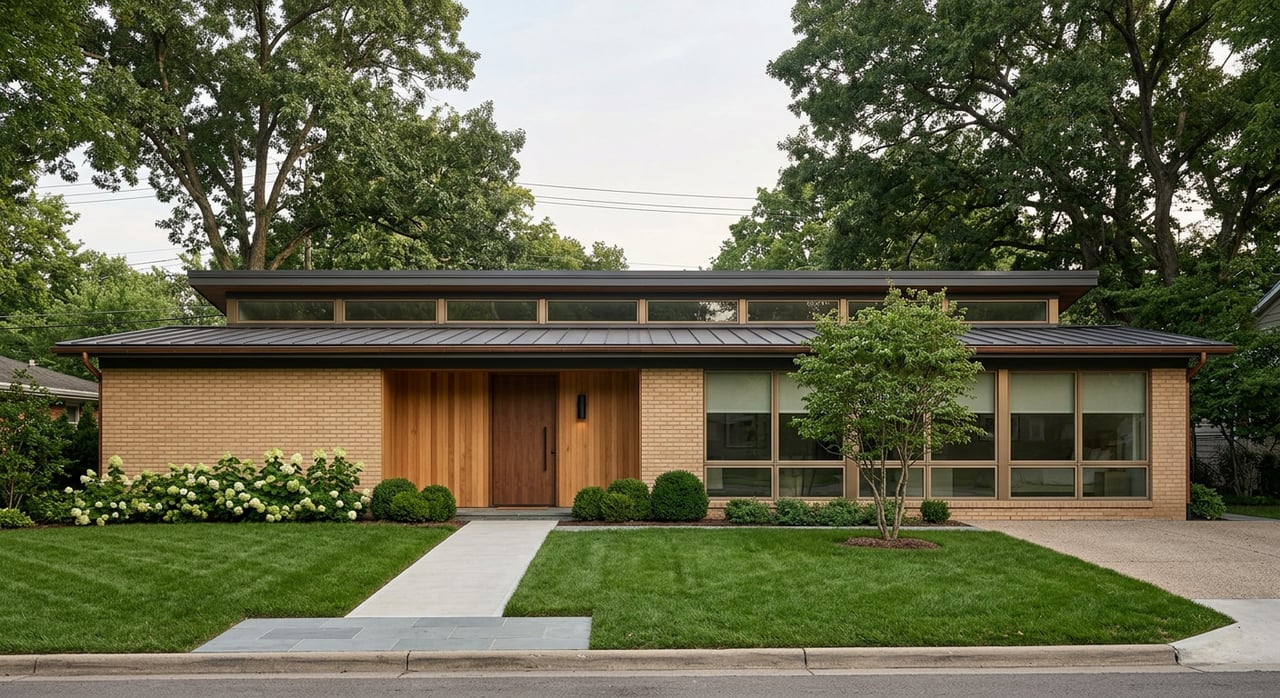
Energy-efficient and becoming more popular in Midwest modern builds.
Slate Roofs
-
Lifespan: 75–100+ years — essentially a lifetime roof.
-
Heavy and requires reinforced structural support.
-
Commonly found on historic or luxury homes in places like Winnetka and Evanston.
Clay/Concrete Tiles
-
Lifespan: 50–100 years.
-
Rare in the Midwest but not unheard of, usually on Mediterranean- or Spanish-style custom homes.
-
Freeze-thaw cycles can shorten their lifespan if not properly installed.
Flat/Low-Slope Roofs
-
Common on modern homes, garages, or additions.
-
Materials include EPDM rubber (15–20 years), TPO (20–30 years), and modified bitumen (~20 years).
-
More maintenance required in snowy regions due to ponding water.
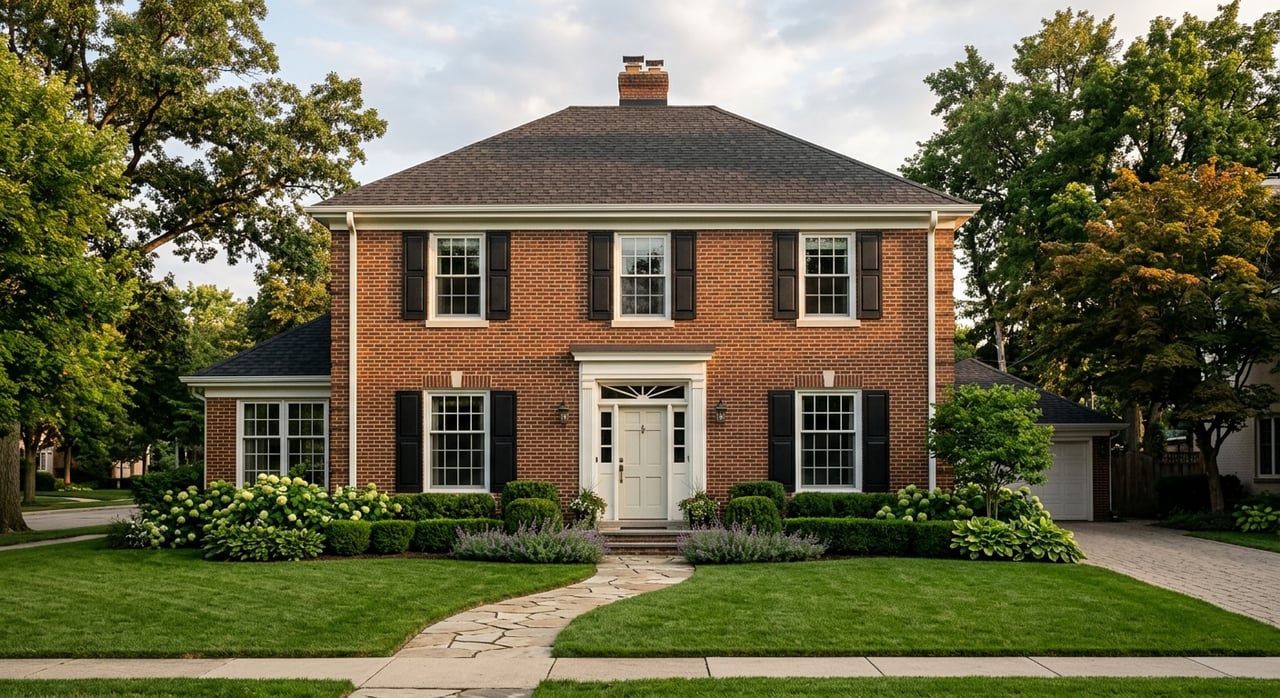
👉 So, how long will a roof last? It depends on the material, but most North Shore homes with asphalt shingles will need replacement every 20–25 years.
What Happens if You Don’t Replace Your Roof?
Ignoring an old roof that’s run its course can lead to serious—and expensive—issues:
-
Leaks & Water Damage – Compromised shingles allow water into your attic and walls.
-
Mold & Mildew – Persistent moisture encourages mold growth, creating health hazards.
-
Higher Energy Bills – An aging roof can’t insulate as well, causing heating and cooling losses.
-
Decreased Home Value – Buyers are less likely to pay top dollar for a home needing a new roof.
In real estate, a roof past its lifespan is a red flag that can make or break a deal.
Final Thoughts – Protect Your Home Investment
So, how long does a roof usually last? While asphalt shingles—the most common choice—last 20–25 years in the North Shore climate, other materials can last much longer. Keeping up with roof inspections and replacements isn’t just about maintenance—it’s about protecting your home’s value and making your property market-ready.
If you’re wondering about your roof’s condition—or thinking of buying or selling a home in Wilmette, Winnetka, or anywhere along the North Shore—let’s connect. I’m Sarah Jividen, a local North Shore Chicago real estate broker, and I’d love to help guide you through the process with expert advice on everything from roof life expectancy to resale value.