Dreaming of a Highland Park home but not sure which style fits you best? From cozy early‑century bungalows to sleek mid‑century ranches and sweeping lakefront estates, this North Shore market offers real variety. You want character, comfort, and a smart plan for your budget and maintenance. In this guide, you’ll learn how each home style lives, what neighborhoods they tend to appear in, typical price positioning today, and the inspection items that matter most. Let’s dive in.
Quick market snapshot
Highland Park is a mature North Shore community with historic neighborhoods, mid‑20th‑century pockets, newer infill, and a notable lakefront corridor along Sheridan Road. Median pricing shifts month to month, but one recent view puts the median sale price near $799,000 (January 2026, Redfin). Price per square foot and inventory have been volatile in 2024–2026, with typical single‑family estimates landing roughly between $240 and $360 per square foot depending on location and finish. You should confirm live numbers with current MLS data, but this gives you a working frame as you explore.
For a feel of cost-per-foot ranges by neighborhood and home class, review a local aggregator’s Highland Park page that reflects this $240–$360 band and reminds you to verify with real‑time listings. You can use this as a directional checkpoint while you price out options and renovation plans.
- Reference: price-per-square-foot band overview at a regional home search platform: typical single‑family estimates
Core home styles in Highland Park
Bungalows
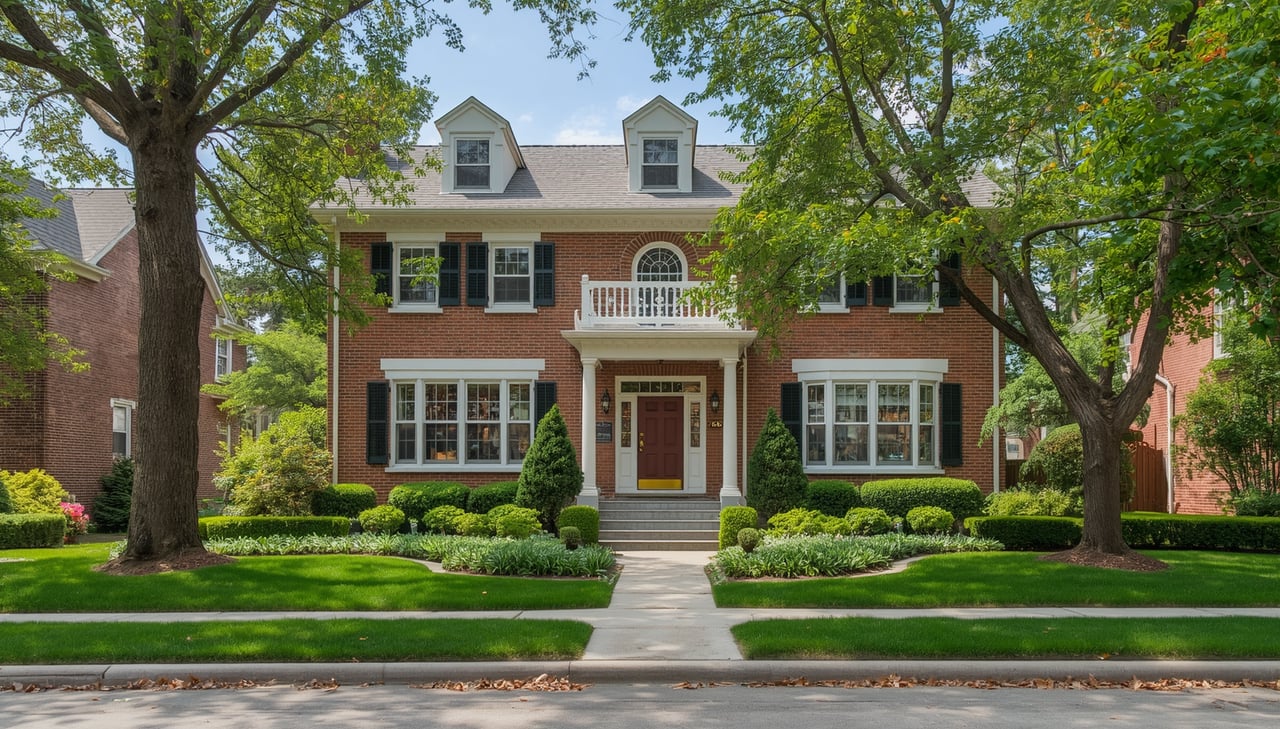
Early 20th‑century bungalows in Highland Park often blend Craftsman, Prairie, or Colonial Revival influences. Many date from the 1910s to 1930s, with front porches, original millwork, and a warm, compact footprint. If you appreciate period details and a walkable setting near downtown or Ravinia, this style is worth a look. For architectural context and preservation considerations, consult the city’s Historic Preservation Plan.
Layouts typically place living, dining, and kitchen on the main level with 2 to 4 bedrooms and 1 to 2 baths. Many have finished or finishable basements. Sizes commonly range from about 1,000 to 1,700 square feet, with lot size varying by pocket. Recent examples illustrate the spread, like a downtown‑area bungalow around 1,200 square feet at 906 Pleasant Ave and an outlier large lot example on 2325 Shady Ln.
Price positioning: Bungalows often sit at the more attainable end of Highland Park’s single‑family market, with renovated properties near Ravinia or closer to the lake commanding higher prices. Where a bungalow falls will depend on updates, block, and lot.
Key inspection notes:
- Electrical panel and wiring updates if original
- Cast iron or galvanized plumbing replacement
- Insulation and window upgrades for comfort and efficiency
- Roof, flashing, and drainage evaluation
- Historic review rules for visible exterior changes
If you are exploring a period home, this consumer guide to buying a historic property is a practical read.
Lifestyle fit: You’ll enjoy character, walkable access to local shopping and the Ravinia Festival, and an established tree canopy. Expect some renovation planning to personalize and modernize.
Mid‑century ranches and mid‑century modern
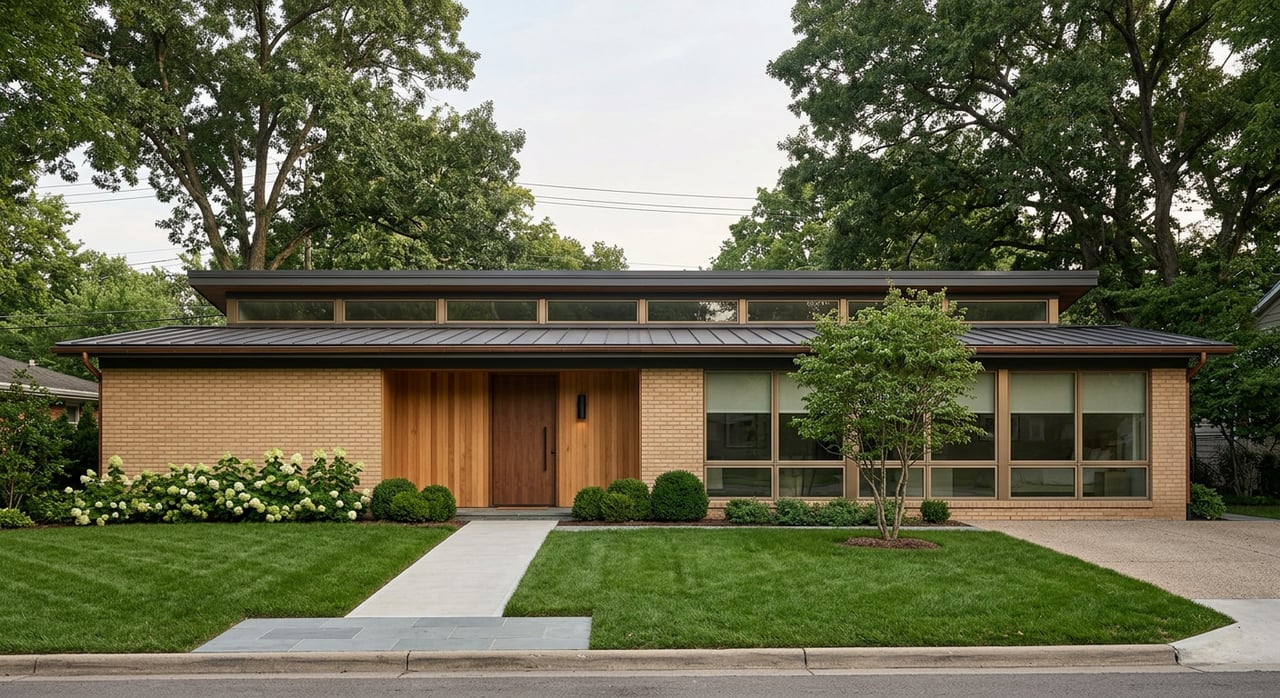
Built mainly in the 1940s to 1960s, Highland Park’s mid‑century stock includes single‑story ranches and split‑levels with horizontal lines, larger windows, and a stronger indoor‑outdoor connection. You’ll find them across Ravinia and Braeside, with many updated and expanded over time.
Common sizes run from about 1,200 to 3,000 square feet, often with lower‑level living that adds functional space. Pricing varies widely by lot size, location, and renovation level. Unrenovated ranches may trade below the city’s median while architecturally intact, well‑updated mid‑century modern homes can reach or exceed seven figures.
Key inspection notes:
- HVAC age and performance, plus window efficiency
- Roof and foundation drainage
- Potential asbestos in older materials and insulation
Before committing to upgrades, this overview on buying older homes and windows is helpful: what to know about older windows and materials.
Lifestyle fit: Great for single‑level living, easier mobility, and entertaining that flows to the yard. Families and empty‑nesters alike gravitate to these homes for their simplicity and light.
Newer construction and teardown infill
From the 2000s forward, Highland Park has added custom homes and infill builds that often replace older stock. You’ll also see targeted redevelopment and transit‑oriented projects near the Metra corridor, especially around downtown. The city documents these efforts in planning materials like its Metra Station concessions and activation request, which reflects a broader focus on walkable amenities.
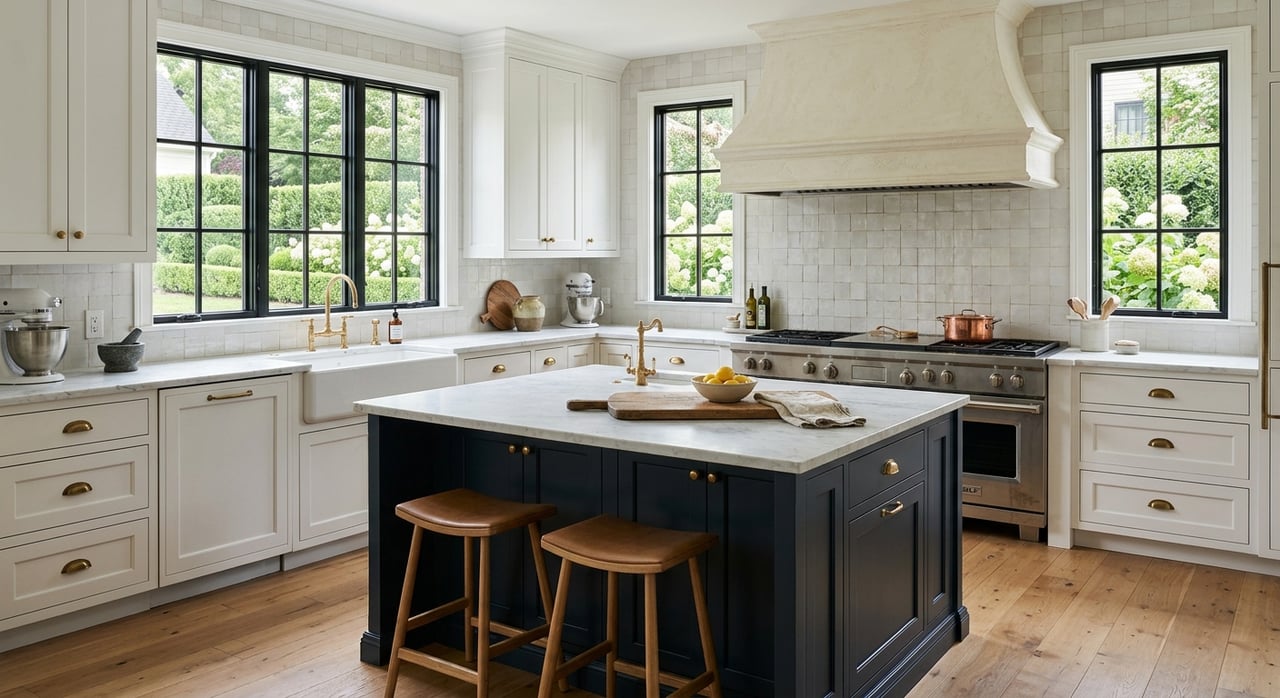
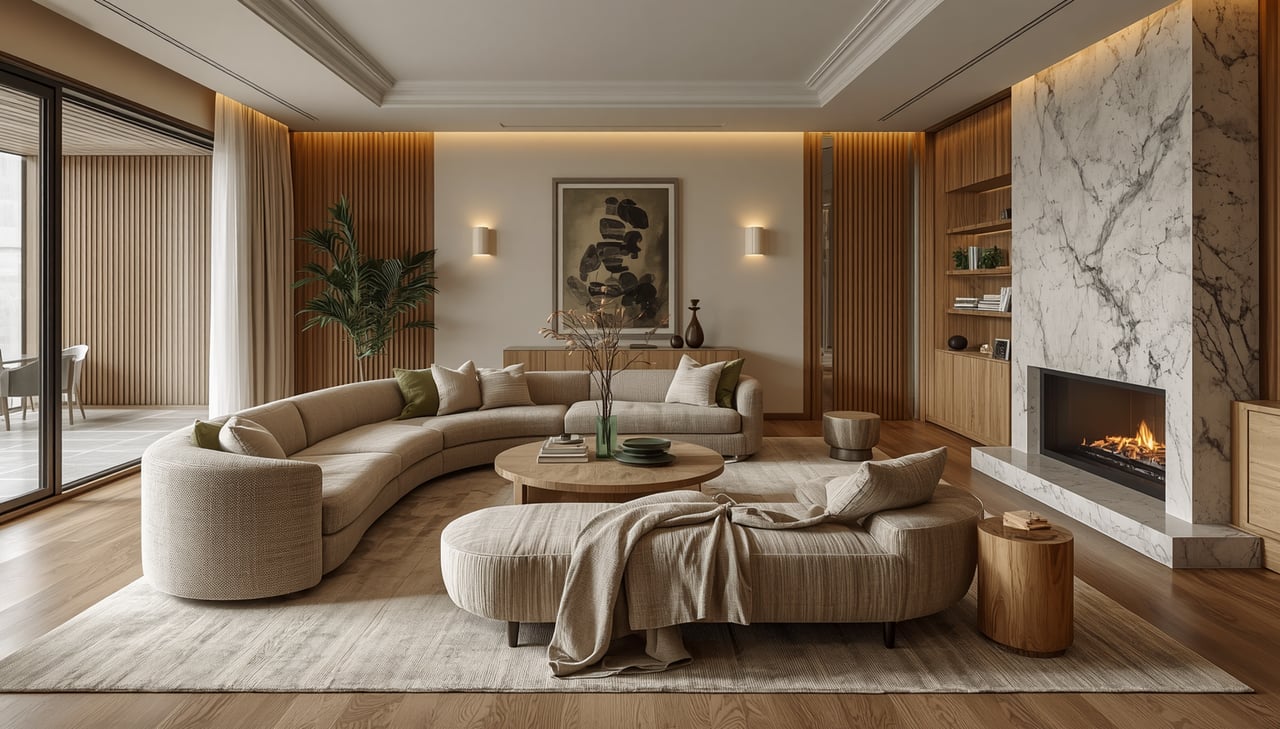
Today’s new builds typically feature 2,500 to 5,000+ square feet, open layouts, high‑end kitchens and baths, multi‑zone HVAC, and modern energy‑efficiency features. Pricing for larger custom homes on typical North Shore lots often starts in the low seven figures, with premium locations and finishes increasing budget.
Key inspection and permitting notes:
- Verify active permits and final inspections are on file
- Confirm warranty coverage on major systems
- Plan for landscaping, fencing, and driveway finishes
- If your lot is in or near a historic district, align plans with the city’s Historic Preservation Plan
Lifestyle fit: You’ll trade near‑term maintenance for turnkey comfort, modern systems, and layouts that work for everyday life and hosting.
Lake‑adjacent and lakefront estates
Highland Park’s most prestigious addresses sit along the Sheridan Road corridor, with estate‑scale properties offering lake frontage, private beach access, and custom programs. The area includes architecturally significant homes and historic corridors. For a feel of the heritage, browse a notable local example like the Ross Beatty House profile on Wikipedia, then explore how these properties manage shoreline and bluff conditions.
Pricing: Lakefront homes occupy a distinct, limited inventory segment that regularly trades in the multi‑million‑dollar range. Each listing is unique, with lot size, shoreline, and architecture driving value.
Lakefront permitting and stewardship are critical. Expect multi‑agency coordination and higher ongoing maintenance to protect bluffs, beaches, and structures. A practical starting point is this local explainer on shoreline projects: building or replacing lakefront decks in Highland Park. Also review the Park District’s Beach Management Plan for Rosewood and other beaches and Lake County’s Lake Michigan watershed and ravine management guidance.
Lifestyle fit: Best for privacy, outdoor entertaining, and true waterfront living. Not ideal if you prefer a low‑maintenance setup.
How neighborhoods and lot types shape lifestyle
- Ravinia. A mix of bungalows, cottages, and mid‑century ranches near the music festival grounds and a walkable business strip. Get a feel for the area vibe by checking the Ravinia Festival calendar and venue.
- Braeside. Tree‑lined streets with a blend of historic revival styles, larger lots, and mid‑century homes. Proximity to parks and trails enhances the outdoor feel.
- Fort Sheridan and Sheridan Road. A historic district and surrounding corridors with larger lots, custom homes, and proximity to the lake.
- Downtown and Metra corridor. Townhomes, condos, and smaller‑lot infill within steps of transit. City plans show recent redevelopment interest near the station, improving convenience for commuters.
Common lot types you’ll encounter:
- Lakefront bluff or shoreline lots. Highest price and permitting complexity; anticipate ongoing bluff stabilization and shoreline work.
- Interior traditional lots. Older bungalows and ranches on tree‑lined streets with varying setbacks and lot widths.
- Larger estate parcels. Concentrated in Braeside, Fort Sheridan, and along Sheridan Road.
What your budget buys
These ranges are illustrative and shift with inventory. Use current MLS data to validate specific targets.
- Under about $700,000. Smaller bungalows, some ranches, and townhomes or condos. Many will be older and need systems updates and finish refreshes. Recent Highland Park bungalow examples, like 906 Pleasant Ave, illustrate size and style at this level.
- About $700,000 to $1.25 million. Renovated bungalows, larger ranches, and entry‑level new builds in walkable pockets near Ravinia or downtown.
- About $1.25 million to $2 million. Many newer construction homes, significant renovations, and well‑located properties near parks or amenities.
- $2 million and above. Lakefront estates and top‑tier homes in Braeside, Fort Sheridan, and along Sheridan Road. A small, specialized segment where each property is unique. For lot size perspective, see an outlier large‑lot example like 2325 Shady Ln.
For broad context, one recent city snapshot placed the median sale price near $799,000 (January 2026, Redfin). Your exact search will vary by style, location, and renovation level.
Smart inspection and maintenance planning
The right prep helps you avoid surprises and budget with confidence.
Older bungalows and ranches
- Likely near‑term items: electrical panel and wiring, plumbing replacement, insulation and window upgrades, roof and flashing work, and basement waterproofing
- Budget can range from modest to substantial depending on scope; get contractor estimates early
- Good primer: common inspection issues to triage
Mid‑century ranches
- Focus on HVAC, roof condition, drainage, and potential asbestos in original materials
- Resource: what to know about older windows and materials
New construction
- Verify warranties, confirm permits are closed, and plan for landscaping and hardscape that match the home’s caliber
Lakefront homes
- Build in a budget for shoreline protection, bluff care, and specialized insurance; permitting can add weeks or months, so plan early
Thinking lakefront? Permits and shoreline care
If you are considering a lake‑adjacent or lakefront property, line up experts and approvals early. Start with a shore or bluff engineer’s assessment and speak with:
- City of Highland Park Building and Zoning regarding site rules and tree protection
- Park District resources, including the Beach Management Plan
- Lake County stormwater and ravine management for bluff stabilization and runoff guidance
- IDNR and the U.S. Army Corps of Engineers for any work near or below the ordinary high‑water mark
For a user‑friendly local overview on what projects require permits and how to navigate approvals, read this piece on building or replacing lakefront decks.
Next steps
Whether you are drawn to a charming bungalow, an airy mid‑century ranch, a turnkey new build, or a dramatic lakefront estate, a clear search and inspection plan will help you buy with confidence. If you want calm, detail‑forward guidance from first tour to closing, reach out to Sarah Jividen. Let’s map your must‑haves, refine your budget, and move at your pace.
FAQs
What are the most common Highland Park home styles?
- You’ll most often see early‑century bungalows, mid‑century ranches and split‑levels, newer custom infill, and lake‑adjacent estates clustered along Sheridan Road.
How much does a typical Highland Park home cost in 2026?
- One snapshot placed the median sale price near $799,000 in January 2026 (Redfin), though individual homes vary widely by style, location, and updates.
What should I inspect first on an older Highland Park bungalow?
- Prioritize electrical and plumbing upgrades, roof and flashing, insulation and windows, and moisture management in the basement; add historic review rules to your checklist.
Are mid‑century ranches good for single‑level living?
- Yes, many are designed for main‑floor living with easy yard access and larger windows, which suits a wide range of buyers seeking convenience and light.
What permits do I need for lakefront improvements in Highland Park?
- Expect multi‑agency coordination; plan to consult the City, Park District resources, Lake County stormwater, IDNR, and the U.S. Army Corps before any shoreline or bluff work.