If you’re thinking about moving from Chicago to Wilmette, you’re not alone.
Many families relocate to Wilmette each year for more space, access to highly regarded public schools, and a quieter residential setting — all while maintaining reasonable access to downtown Chicago.
But the transition from city living to North Shore suburban life comes with real differences. Before you buy, here’s what you should understand.
1. Commute: How Long Does It Take to Get to Downtown Chicago?
Wilmette is served by the Union Pacific North Line, with stations in Wilmette and nearby Kenilworth.
Commute time to Chicago’s Ogilvie Transportation Center is typically:
• Approximately 35–45 minutes by Metra (depending on train schedule)
• About 30–50 minutes by car via Edens Expressway (I-94), depending on traffic
Many former city residents find that proximity to the Metra station becomes an important factor when choosing a neighborhood.
If daily commuting is part of your routine, walkability to the train may significantly impact your home search.
2. Schools: District 39 & New Trier
Wilmette is served by:
-
Wilmette Public Schools District 39 (Pre-K through 8th grade)
-
New Trier Township High School District 203
High school students attend New Trier High School.
School boundaries matter in Wilmette, and specific elementary assignments can affect buyer demand and resale patterns.
If you’re relocating from Chicago, verifying the assigned elementary school before making an offer is essential.
3. Home Prices: What to Expect
Wilmette home prices vary by neighborhood and proximity to the lake, schools, and Metra.
Buyers moving from Chicago often experience:
• Larger lot sizes
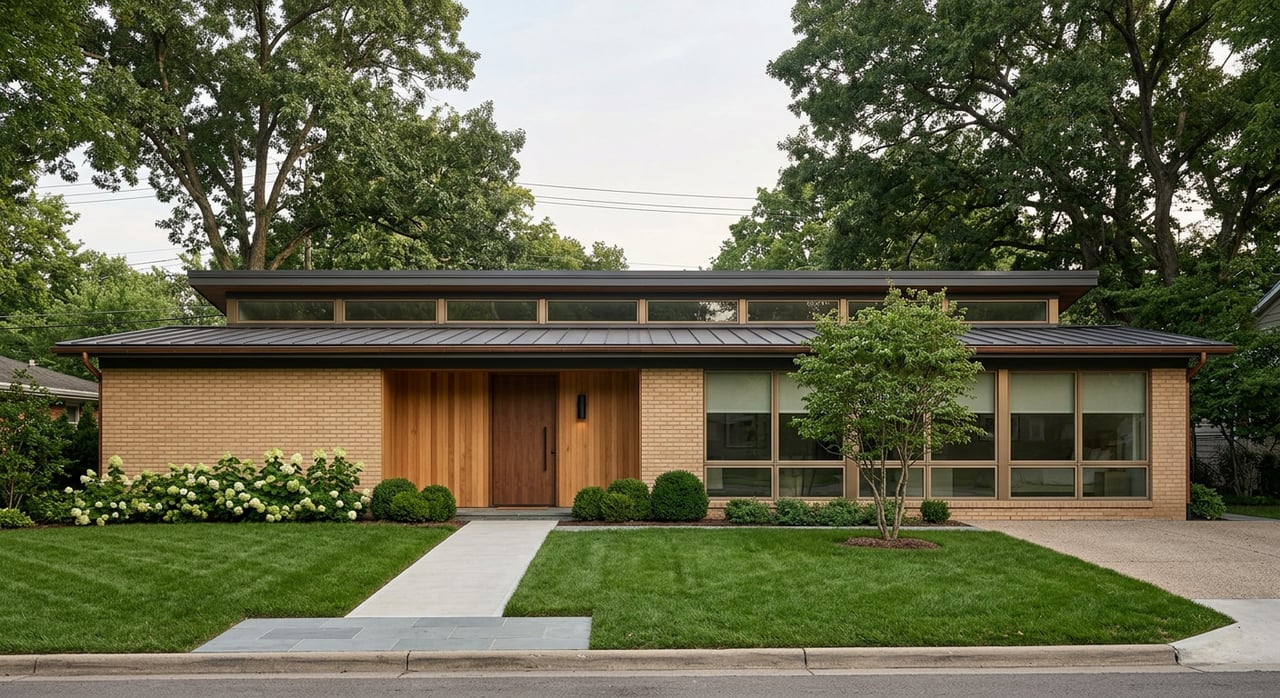
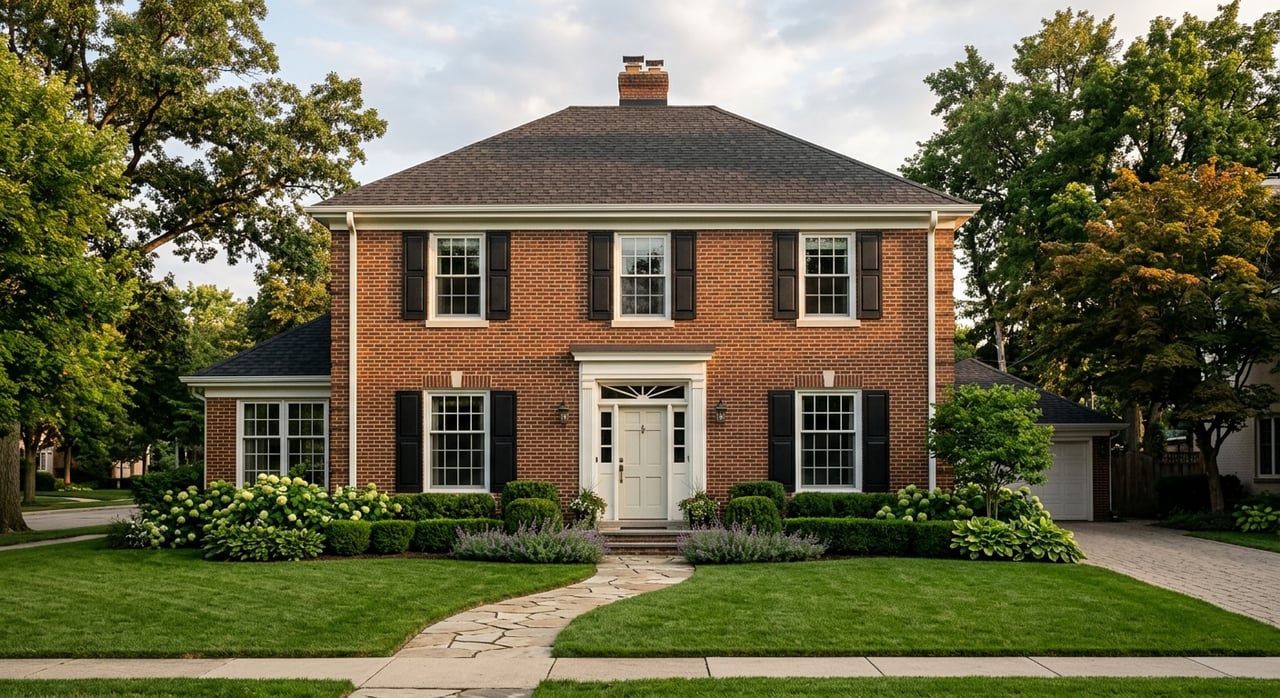
• More traditional single-family homes
• Higher property taxes compared to many Chicago neighborhoods
• Less condo inventory than in the city
Inventory in Wilmette can be competitive, particularly in desirable elementary school boundaries and walk-to-town locations.
Preparation matters in this market.
4. Property Taxes: A Key Adjustment for City Buyers
Property taxes in Wilmette are part of the Cook County system.
Suburban property tax bills are typically structured differently than Chicago property taxes and often represent a higher annual amount due to local school funding structures.
Before purchasing, buyers should:
• Review the most recent tax bill
• Confirm exemptions applied
• Budget for taxes within their monthly payment
Understanding the full monthly cost — not just the purchase price — is critical when transitioning from city to suburb.
5. Lifestyle Differences: What Surprises Buyers Most
Here’s what former Chicago residents often notice:
• More space — inside and out
• Quieter residential streets
• Stronger focus on neighborhood schools
• Fewer walk-to-everything blocks (depending on location)
• Community-oriented events and parks
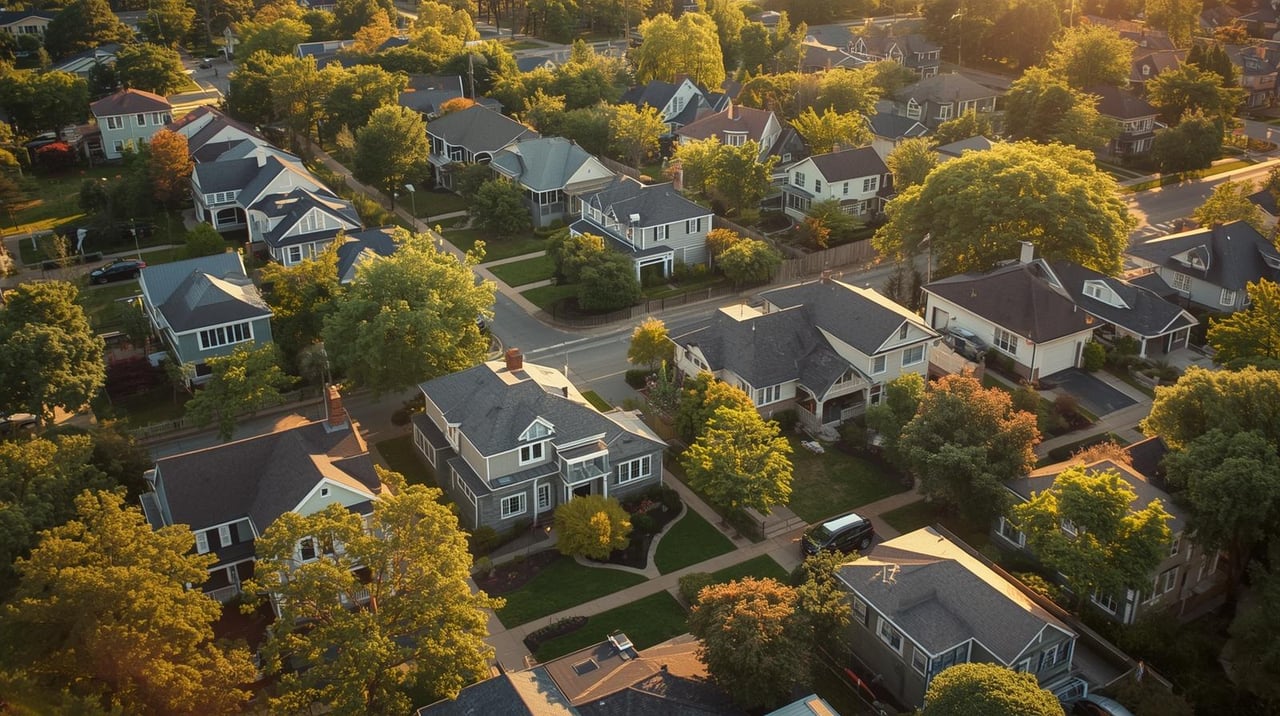
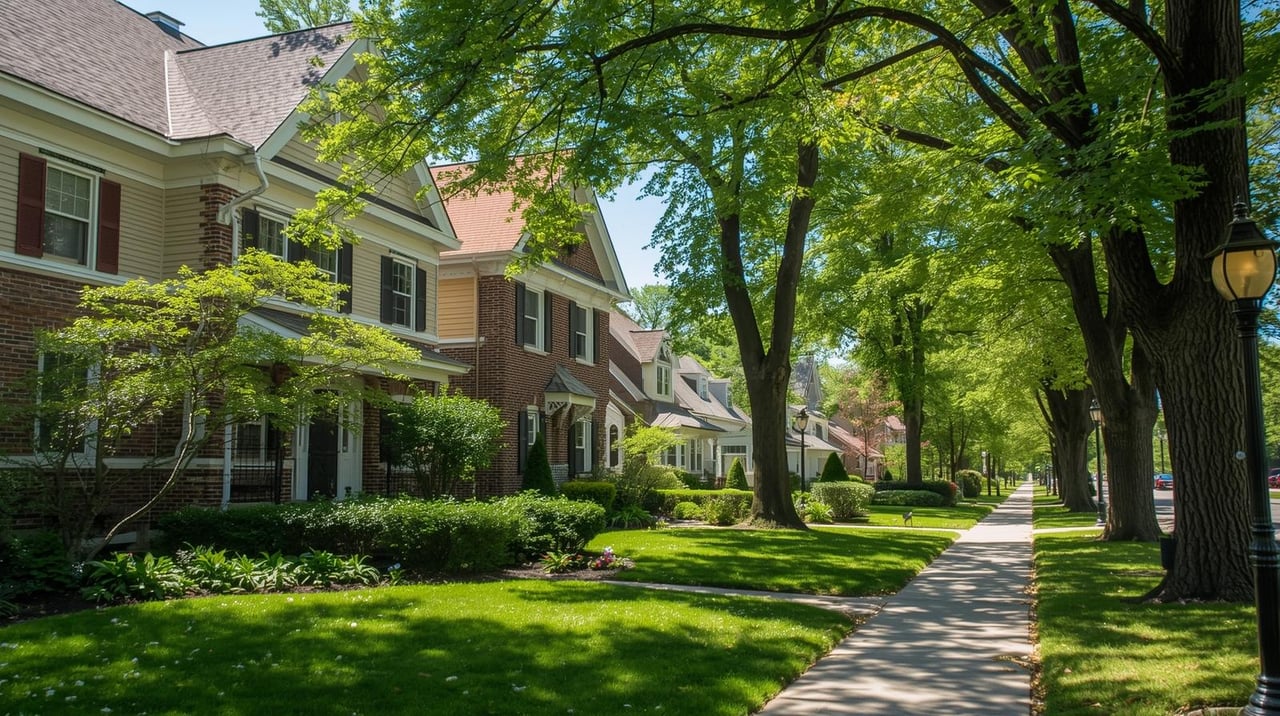
Wilmette offers access to Gillson Park, beaches along Lake Michigan, and established tree-lined neighborhoods.
The lifestyle shift is real — but for many families, it’s exactly what they’re looking for.
6. Is Wilmette a Good Fit for You?
Wilmette may be a strong choice if you want:
• Top-performing public school access
• Larger lots and traditional homes
• Suburban quiet with commuter access
• Long-term resale stability
It may not be ideal if you prioritize:
• Dense walkability everywhere
• Lower property taxes
• High-rise living
Choosing Wilmette is often about long-term planning — especially for families.
Thinking About Moving to Wilmette?
If you’re relocating from Chicago to Wilmette, I’d love to help you navigate the transition thoughtfully.
From school boundaries and commute considerations to tax implications and resale potential, understanding the full picture before you make an offer makes all the difference.
If you’re starting to explore or actively touring homes, reach out anytime. I’m happy to walk through neighborhoods and strategy with you.