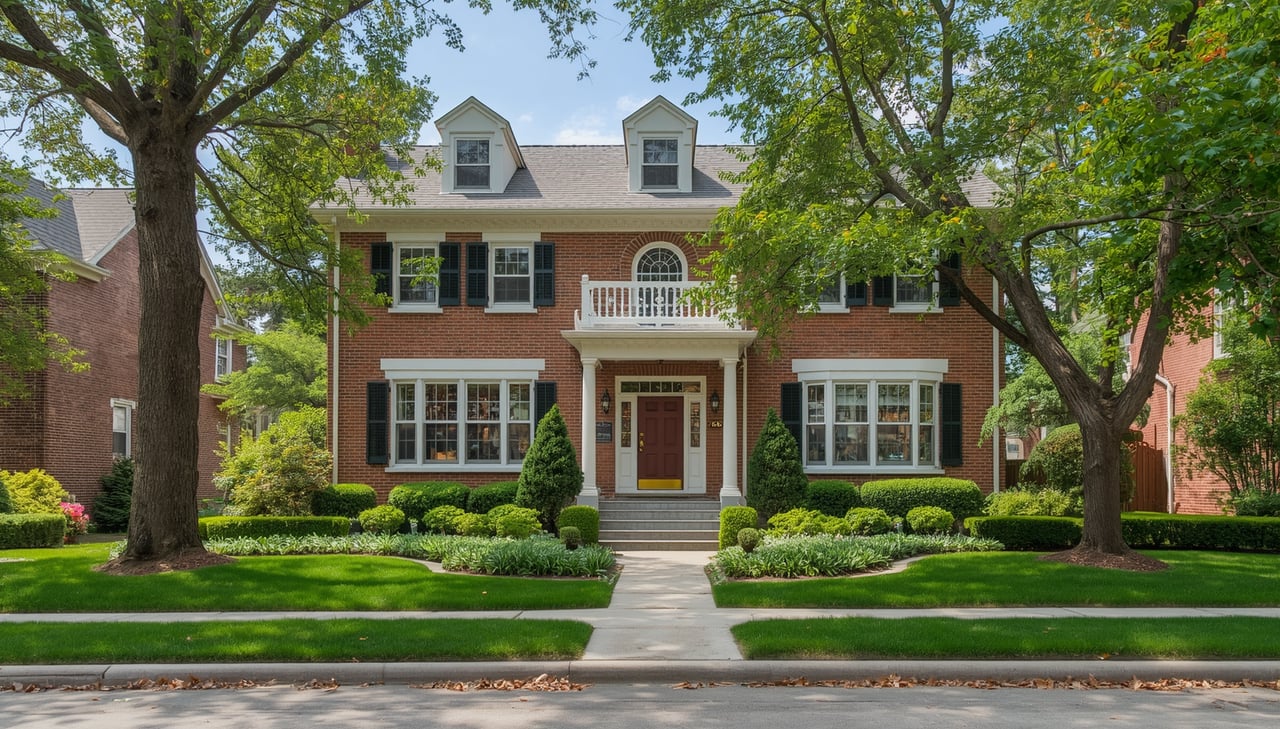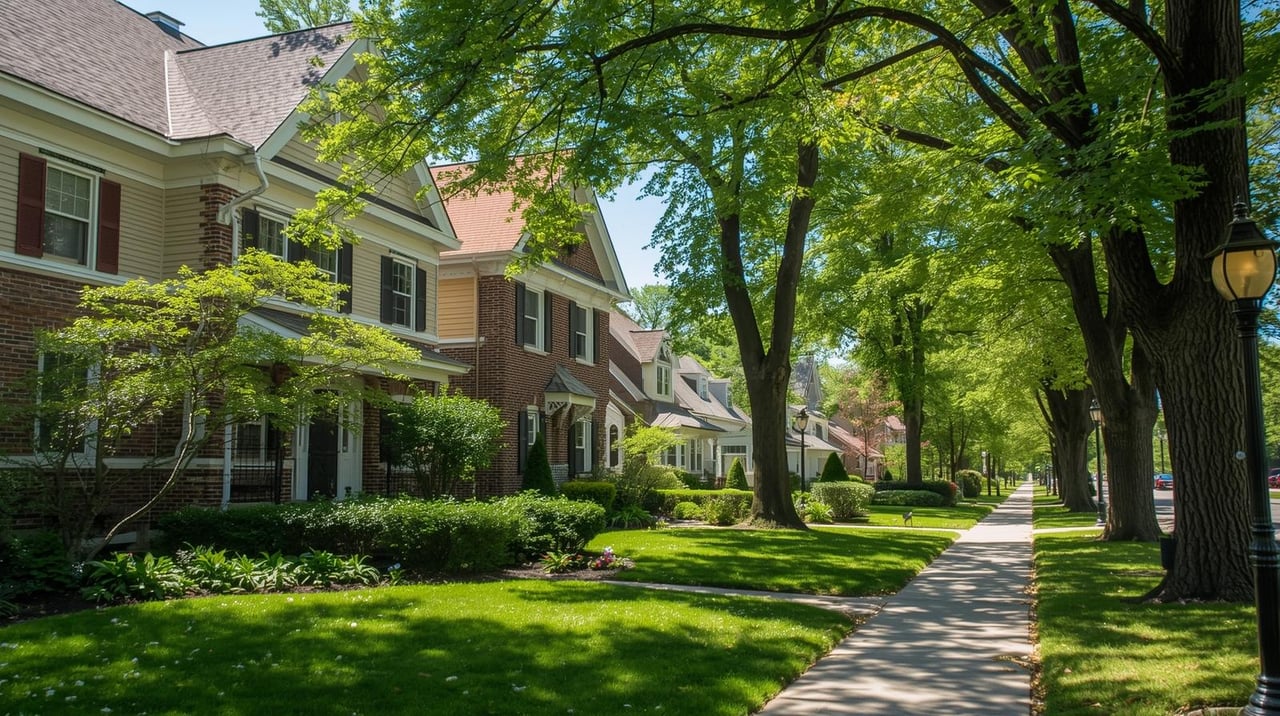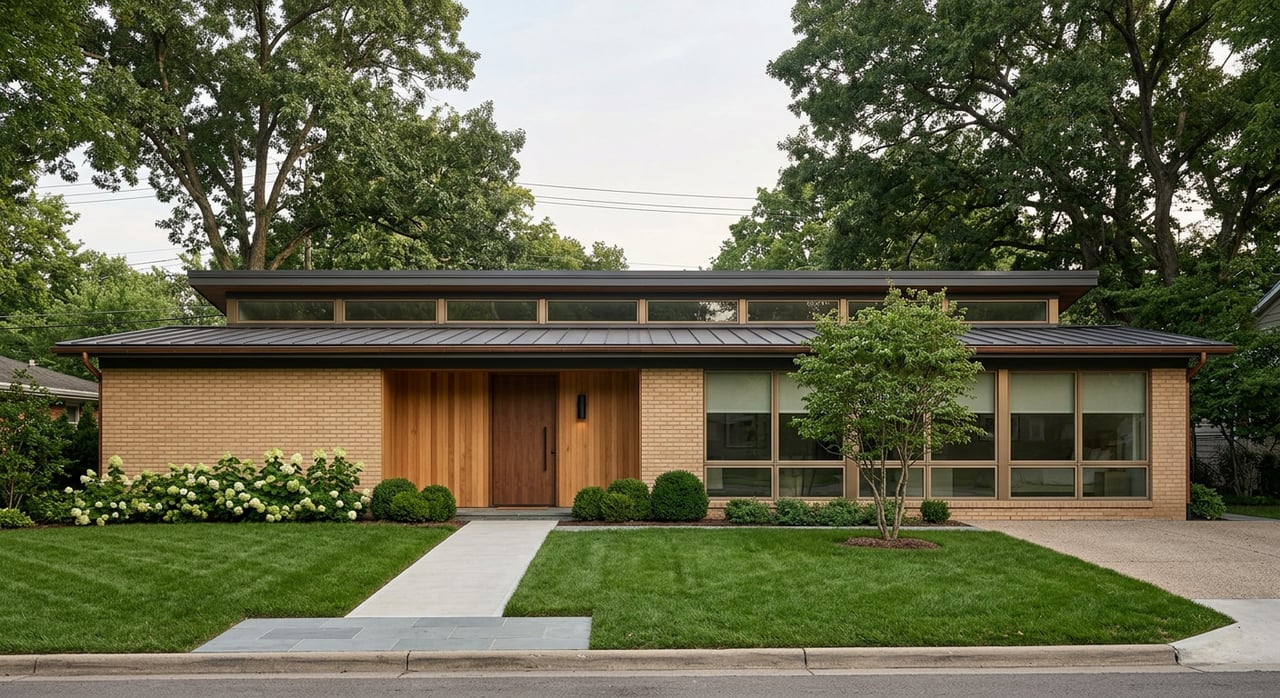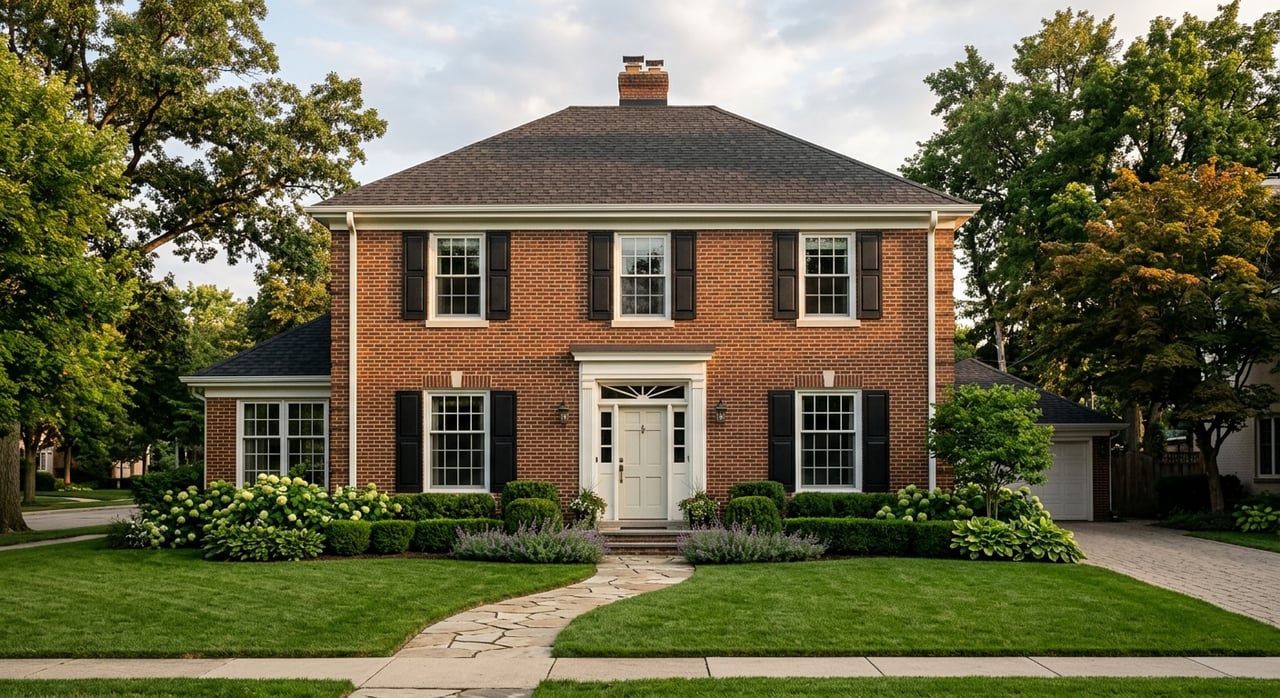
Selling in Winnetka is both exciting and high stakes. You want to protect your timeline, maximize your sale price, and move with confidence in a market where details matter. If you’re a move-up or luxury seller on the North Shore, a clear, step-by-step plan can save you time, reduce stress, and help you net more at closing. In this guide, you’ll get a practical roadmap tailored to Winnetka, from smart prep and pricing to marketing, negotiation, and local rules to watch. Let’s dive in.
Understand today’s Winnetka market
Winnetka is a high-demand North Shore community with a steady pool of buyers drawn to lake access, parks, and schools. New Trier High School District 203 is widely referenced in school rankings, which often influences buyer attention and price tiers. If schools factor into your sale, keep your language neutral and focus on public data and proximity when describing your home. (For school context, parents often review third-party sources like Niche; always encourage buyers to do their own research.)
According to Redfin in Feb 2026, the median sale price in Winnetka was roughly $1.9 million, with a median days on market in the mid 30s. Treat any one figure as a snapshot, not a rule. Your exact pricing should come from a current CMA and on-the-ground inventory. Trophy sales also shape the top of the market. A recent documented Winnetka lakefront estate closing at $31.25 million highlights the area’s upper tier, which can influence expectations at the high end without defining the median.
What this means for you
- Move-in-ready homes often draw faster, stronger offers.
- Pricing needs to reflect very recent comps and current actives, not last season’s listings.
- Lakefront, large lots, and unique amenities can push values higher, but each property stands on its own merits.
Step 1: Pre-market intake and planning
Start with clean data. Pull your parcel record and review assessed value, past tax bills, and exemptions so there are no surprises at closing. You can find explanations of the assessment process and links to parcel data on the Cook County Assessor’s site. Review the county’s overview of assessments and Equalized Assessed Value to understand how taxes are calculated: Cook County Assessor FAQs.
Next, scope your prep plan. For higher-value homes, focus on mechanical reliability, curb appeal, and visible updates that show well in photos. If you need painting, national data suggests a whole-home interior repaint averages around $2,000, with North Shore projects often running higher. Get local quotes and compare options: interior painting cost overview.
Consider a pre-listing inspection
A seller-paid pre-listing inspection can surface fixable issues, reduce post-inspection renegotiation, and speed the path to closing. This is common for homes above $1 million or when you want to tighten your timeline. For background on seller inspections as a risk-management tool, review this industry resource: InterNACHI guidance on seller inspections.
Prioritize staging and media
Winnetka buyers shop online first, and premium visuals often translate into earlier showings and stronger offers. NAR reports that staging can reduce time on market and sway buyers’ price perceptions. Learn more about the impact here: NAR on home staging results. Pair staging with professional photography, twilight exteriors, floor plans, and, when appropriate, video, drone, and 3D tours. Industry analyses show complete media packages increase listing views and showing rates: why pro photography helps homes sell faster.
Budget ranges to keep in mind:
- Staging: from a few thousand dollars to $10,000+ depending on size and inventory. Use NAR’s findings to weigh potential time-on-market and price benefits.
- Photo/video/drone/3D tours: often $300 to $2,000 based on scope and home size.
Step 2: Price with precision
A data-driven pricing plan protects your momentum during the critical first two weeks on market. Think in tiers:
- Entry or strategic segment: Smaller, move-in-ready homes near shops or train often benefit from pricing that encourages early competition. Anchor to the 1–2 most recent solds and current inventory in your band.
- Move-up core: For many months in Winnetka, this spans roughly $1.5 to $3 million. Weight your CMA toward closings in the last 60 days and show per-square-foot comparisons. Confirm everything against MRED data.
- Upper and ultra-luxury: Above $3 million, rely on truly comparable estates, lot size, lake proximity, and unique amenities. Use trophy sales to understand the ceiling, not to set median-driven pricing.
Your goal is to meet buyers where they are searching while giving your home the best shot at multiple qualified offers.
Step 3: Launch a targeted marketing plan
Great marketing meets the right buyers at the right time. For Winnetka sellers, consider:
- Pre-market teasers or private showings for vetted buyers, especially for higher-end homes.
- A complete media package: polished photos, video, floor plans, property brochure, and a neighborhood snapshot with commute options and local amenities.
- Agent-to-agent outreach across North Shore networks and top Chicago broker circles. For lakefront properties, time outreach with peak seasonal interest.
- Strategic open house use. Private broker tours can help pre-qualify the most serious prospects before any public events.
Showing logistics and security
Protect your time and your home with clear protocols:
- Decide on lockbox access versus broker-escorted showings.
- Set defined daily showing windows and a system for staging upkeep.
- Store valuables securely and set a plan for pets.
- Follow local sign rules. The Village limits signs to private property and does not allow signs in the public right of way. Review the Village’s FAQs here: Village of Winnetka FAQs.
Step 4: Navigate offers and closing
When offers arrive, evaluate the full picture, not just the top-line price.
- Net proceeds: Build a simple calculator with your likely commission, estimated credits or repairs, and prorated taxes. As a planning example, some sellers model 5 to 6 percent for total brokerage fees, but your final number is whatever you and your listing broker agree to in writing. Always confirm your exact obligations in your listing agreement and purchase contract.
- Financing strength: Give weight to reputable-lender pre-approvals, cash reserves, and shorter contingency timelines when appropriate.
- Inspection strategy: If you did a pre-listing inspection, reference it to narrow the scope of repair asks. You can also set a limited inspection window to keep momentum. For context on seller inspections, revisit the InterNACHI seller inspection resource.
- Multiple offers: Use clear deadlines, consistent communication, and a plan for escalation clauses.
Closing costs and who pays in Illinois
In Illinois, sellers commonly pay the owner’s title insurance policy, while buyers pay the lender’s policy. Sellers also cover their agreed brokerage commission, prorated property taxes through the day of closing, payoff of any mortgages, and municipal or county transfer taxes as applicable. Review a state-level overview here: Illinois closing costs and who pays.
Cook County tax timing can be confusing because tax bills are issued the following year. That affects how prorations are calculated on your closing statement. For county-level mechanics and parcel information, see the Cook County Assessor FAQs.
Typical timeline expectations:
- Pre-market prep: 2 to 8 weeks depending on scope.
- Market to contract: days to weeks for well-priced, move-in-ready homes, longer if pricing or condition needs alignment.
- Contract to closing: 30 to 45 days for financed buyers, shorter for cash or waived contingencies.
Winnetka rules and risk checkpoints
- Permits: The Village requires permits for most exterior or structural work. Confirm needs early if you plan driveway, exterior, or landscaping changes. See the Village of Winnetka FAQs.
- Signs: Real estate signs must be on private property. No signs in the public right of way per Village guidelines.
- Tree removal: Permits may be required for removing larger trees on private property. Build permit timing into your schedule. See the Village FAQs.
- Historic/landmark review: If your property is landmarked or in a protected area, exterior changes may need review. Confirm status with the Village early.
- Lakefront and flood: Shoreline properties often involve extra permitting and coastal engineering considerations. Flood insurance may be recommended even if not required. Village planning resources, such as the community’s long-range plan, offer context for infrastructure and environmental priorities: Winnetka Futures 2040 Plan.
Quick seller checklist
- Pull your parcel record, recent tax data, and recent sold comps. Start here for county basics: Cook County Assessor FAQs.
- Order a pre-listing inspection and collect contractor bids to fix key issues: seller inspection overview.
- Book staging and premium photography early. NAR shows staging can speed sales: staging impact.
- Check Village permitting, tree, and sign rules: Winnetka FAQs.
- Launch a targeted marketing plan, set showing protocols, and plan for a 30 to 45 day closing window when financed.
Final thoughts
A successful Winnetka sale is part data, part design, and a lot of disciplined execution. When you pair precise pricing with polished presentation and a proactive marketing plan, you set the stage for stronger offers and smoother negotiations. If you would like a calm, organized process with a local advocate who brings vendor partners and clear communication to every step, I’m here to help.
Have questions about timing, pricing, or pre-market prep for your home? Let’s talk about a plan that fits your goals. Reach out to Sarah Jividen to get started.
FAQs
How do I estimate my net proceeds when selling in Winnetka?
- Build a simple worksheet that includes your expected commission, estimated repairs or credits, owner’s title insurance (customarily seller-paid in Illinois), prorated taxes, and mortgage payoff. Review state customs here: Illinois closing costs and confirm tax mechanics with the Cook County Assessor FAQs.
Should I get a pre-listing inspection before selling a North Shore home?
- If you want fewer surprises and faster negotiation, a seller-paid inspection can identify fixes upfront and help you set realistic expectations; see this overview of seller inspections: InterNACHI guidance.
How much should I spend on staging and photography in Winnetka?
- Many sellers invest a few thousand dollars in staging and a complete media package; NAR reports staging can reduce time on market and influence buyers’ price perceptions, and industry analyses find premium photography boosts views and showings: NAR staging results and why pro photos matter.
Who pays which closing costs when selling a home in Illinois?
- Customarily, sellers pay the owner’s title insurance policy, their agreed brokerage commission, prorated taxes, and transfer taxes as applicable, while buyers pay the lender’s policy; details are negotiable and vary by contract: Illinois closing cost primer.
Do I need permits for repairs or landscaping before listing in Winnetka?
- Most exterior or structural work needs a Village permit, signs must stay on private property, and tree removal may require approval for larger diameters; plan for permit timing: Village of Winnetka FAQs.
GET THE GROWING ROOTS METHOD GUIDE
If you're starting to wonder whether it's time for your family to make a move, my Growing Roots Method™ guidebook walks through the timing, school decisions, and buy-before-you-sell questions that come with outgrowing your current home. Get the free guide sent to your inbox.