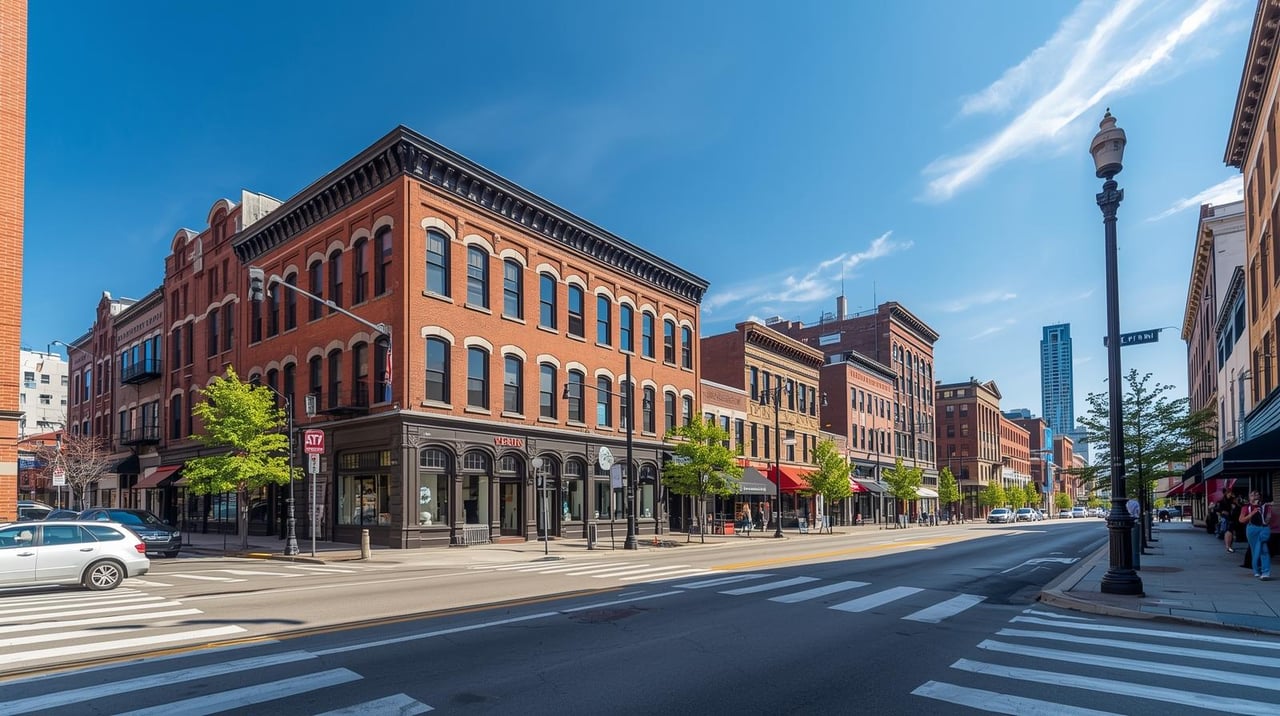
The Evanston real estate market continues to attract buyers looking for lakefront access, strong schools, and easy commuting to downtown Chicago. As one of the most established communities on the North Shore, Evanston’s housing market reflects both regional trends and its unique local demand.
If you’re considering buying or selling in Evanston this year, here’s what you should know about pricing, inventory, and competition.
(For neighborhood details, see my full Living in Evanston Guide.)
Evanston Home Prices in 2026
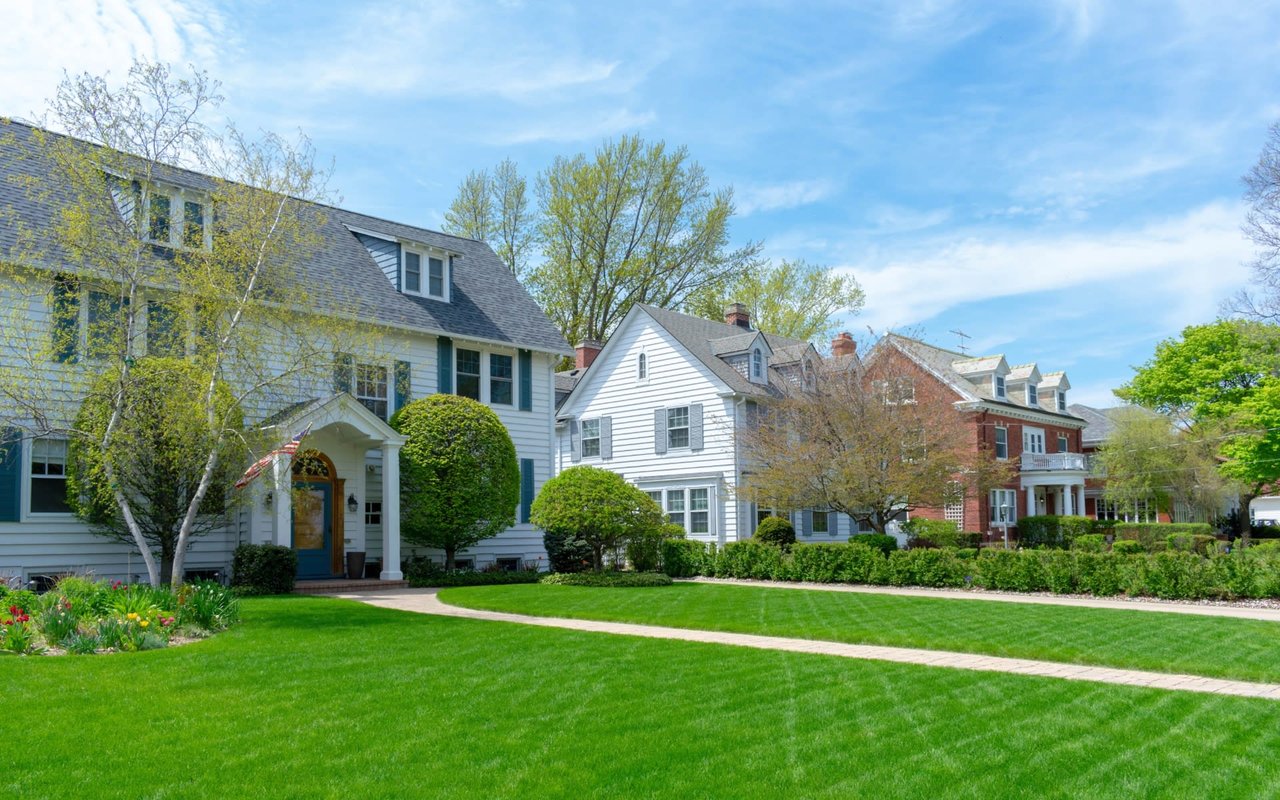
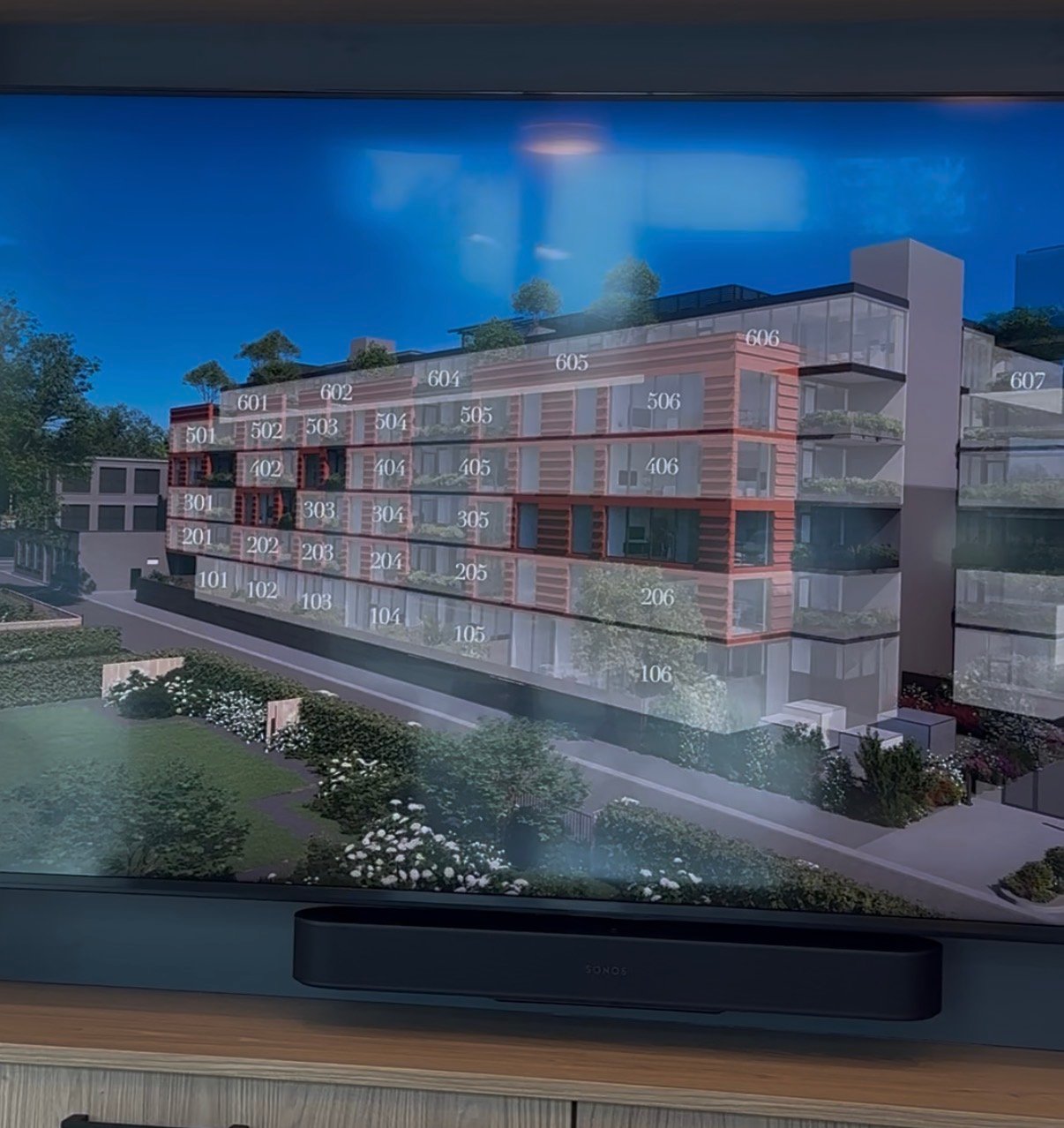
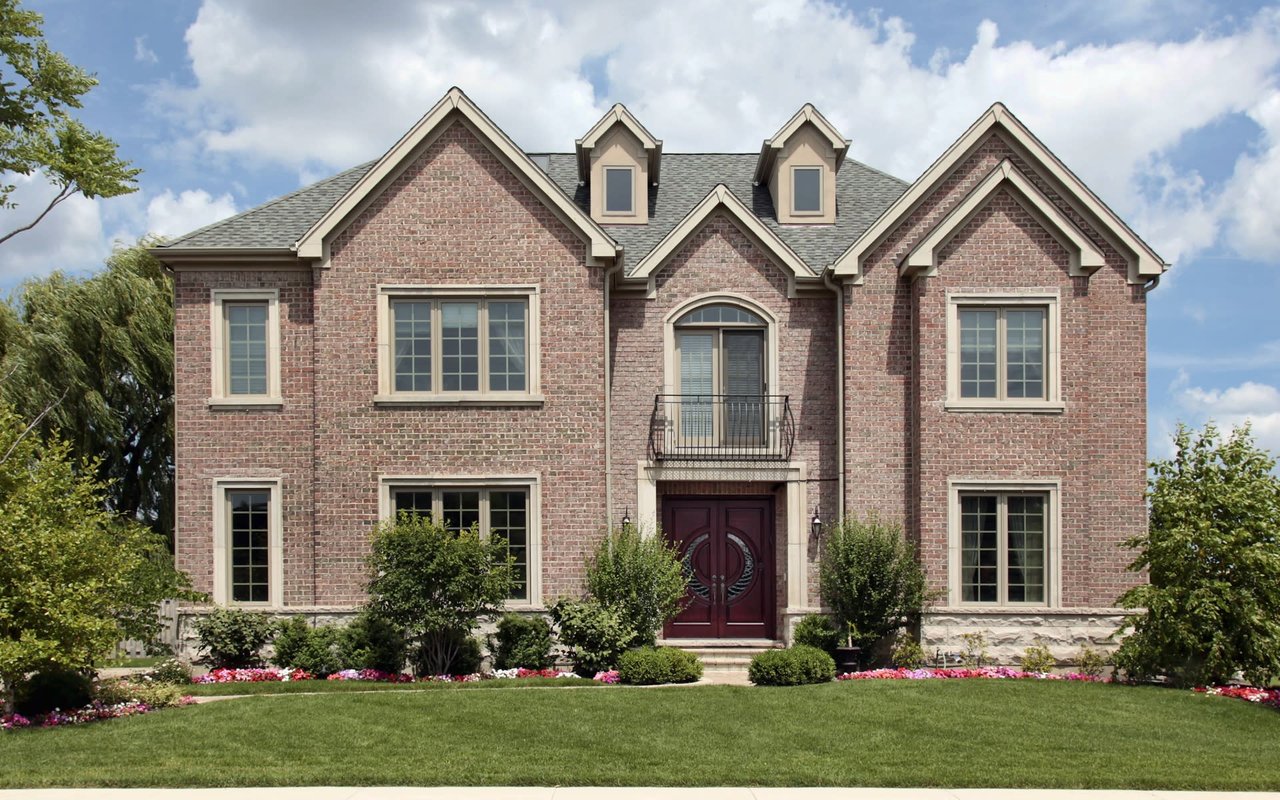
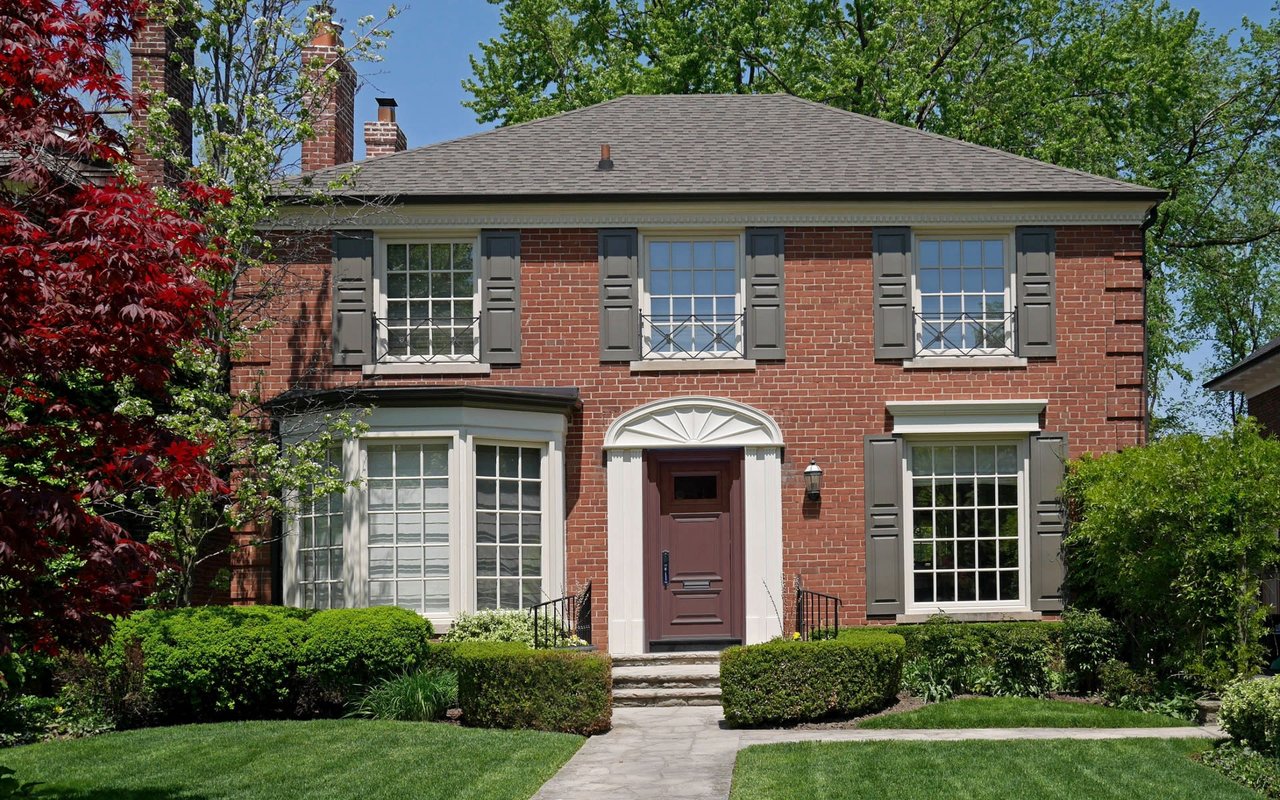
Evanston offers a wide range of housing — from historic single-family homes to downtown high-rise condos.
Single-Family Homes
Median sale price: $819,000 (Jan 2026)
Price per square foot: $355 (Jan 2026)
Year-over-year change: 13% (Jan 2026)
Condos & Townhomes
Median sale price: $336,000 (Jan 2026)
Average days on market: 10 days (Jan 20260
Pricing varies significantly by neighborhood. Homes near the lakefront, Central Street, and Northwest Evanston typically command higher price points than areas closer to the Chicago border.
Inventory Levels & Days on Market
Inventory levels remain one of the most important drivers in Evanston’s market.
Current months of inventory: 1.3
Average days on market: 19 days
Sale-to-list price ratio: 100%
When inventory is limited, well-priced homes often receive multiple offers. As supply increases, buyers gain slightly more negotiating power.
Understanding micro-market conditions — not just overall stats — is key.
Condo vs. Single-Family Market Differences
The Evanston condo market behaves differently than the single-family market.
Downtown Evanston Condos
Influenced by proximity to Northwestern University
Attractive to downsizers and professionals
Often more sensitive to interest rate changes
Single-Family Homes
Driven by long-term family demand
Strong connection to school boundaries
Limited inventory can create competitive situations
Lakefront properties and homes in the Lakeshore Historic District typically command premium pricing due to location and architectural significance.
What This Means for Sellers in 2026
If you’re selling in Evanston:
Accurate pricing is critical — today’s buyers are data-informed.
Homes that are staged and professionally marketed perform better.
Spring remains the strongest seasonal window, though properly priced homes sell year-round.
Overpricing can lead to extended days on market and eventual price reductions.
Strategic preparation matters more than timing alone.
What This Means for Buyers in 2026
If you’re buying in Evanston:
Pre-approval is essential before touring seriously.
Be prepared for potential multiple-offer scenarios in desirable neighborhoods.
Illinois real estate transactions include a 5-business-day attorney review period after contract acceptance.
Home inspections are customary and negotiated after contract execution.
Working with a local expert can help you understand neighborhood-level pricing trends that broad statistics don’t show.
Long-Term Investment Outlook
Evanston’s housing market is supported by:
Proximity to downtown Chicago
Northwestern University
Lake Michigan shoreline
Established public school districts
Walkable commercial districts
These structural factors contribute to sustained demand compared to less centrally located suburbs.
Thinking of Buying or Selling in Evanston?
The Evanston market is nuanced. Pricing, inventory, and competition vary block by block.
Whether you're relocating, upsizing, downsizing, or preparing to list, I provide hyper-local insight, data-driven pricing strategy, and full-service support from start to finish.
If you're considering making a move in Evanston this year, let’s talk through the numbers and build a plan that aligns with your goals.
Work with Sarah Jividen
North Shore Real Estate Expert
@properties Christie’s International Real Estate
Let’s connect and make your next move a confident one.
📌 Frequently Asked Questions About the Evanston Real Estate Market
Is Evanston a buyer’s or seller’s market in 2026?
Market conditions depend on inventory levels and neighborhood demand. When inventory is low, sellers often have an advantage. When inventory increases, buyers may gain negotiating power.
What is the median home price in Evanston?
Median home prices vary by property type and neighborhood. Single-family homes typically sell at a higher median price than condos or townhomes. (Update annually with current MLS data.)
Are Evanston homes appreciating?
Home values in Evanston are influenced by demand, inventory, interest rates, and long-term location factors such as proximity to Chicago and Northwestern University.
How long do homes stay on the market in Evanston?
Days on market vary depending on pricing and property condition. Well-priced homes in desirable neighborhoods often sell more quickly than average.
Is Evanston a good long-term investment?
Evanston’s location, school districts, lakefront access, and university presence contribute to consistent buyer demand compared to many surrounding suburbs.
GET THE GROWING ROOTS METHOD GUIDE
If you're starting to wonder whether it's time for your family to make a move, my Growing Roots Method™ guidebook walks through the timing, school decisions, and buy-before-you-sell questions that come with outgrowing your current home. Get the free guide sent to your inbox.